

AFAIK they are 7mm bolts, yes, like the chain adjuster bolts that are harder to find....personally I thought they were 7mm
Absolutely, I'll give them credit for that.better than the 'flat' billet ones by a long shot.

AFAIK they are 7mm bolts, yes, like the chain adjuster bolts that are harder to find....personally I thought they were 7mm
Absolutely, I'll give them credit for that.better than the 'flat' billet ones by a long shot.

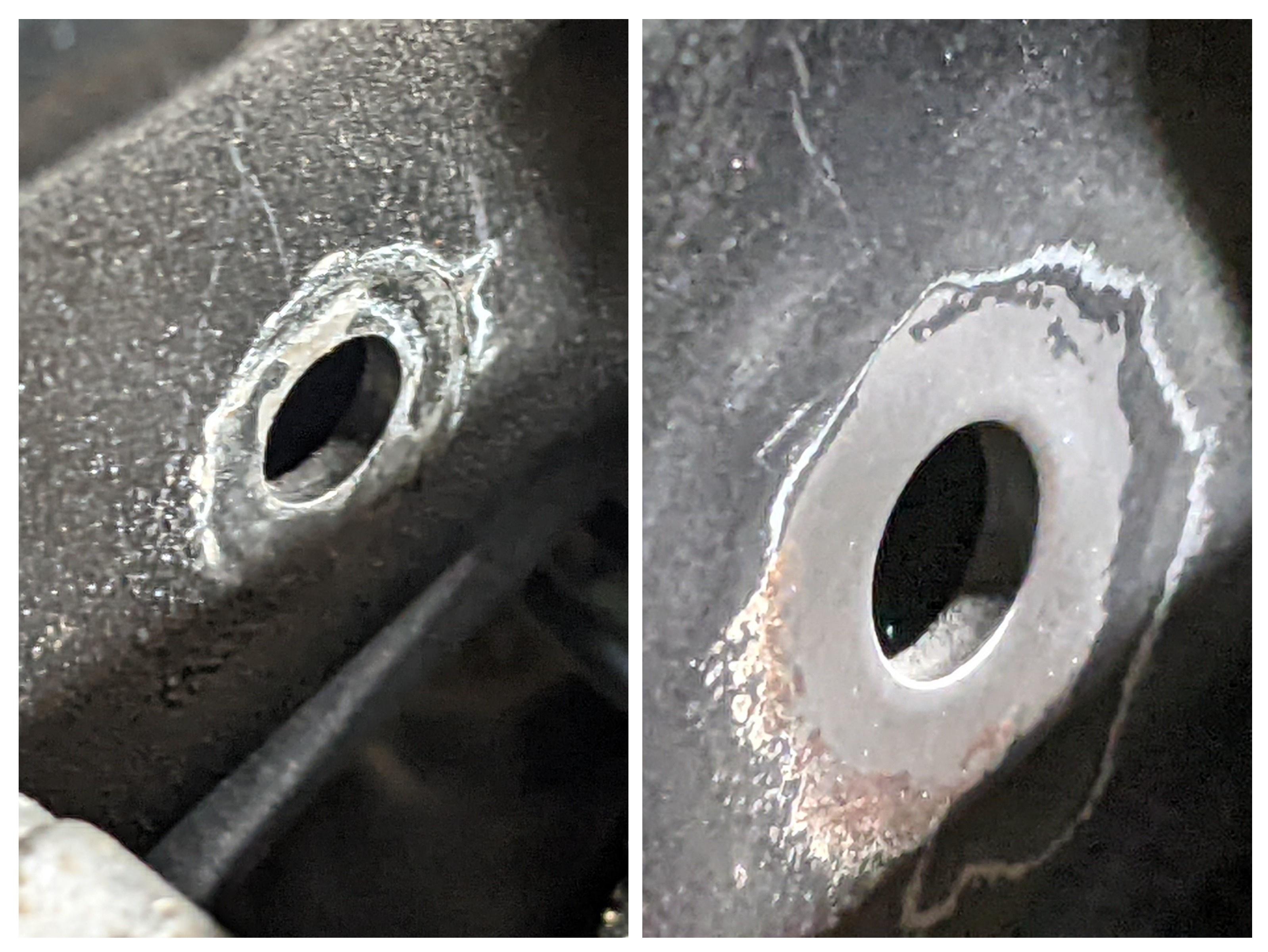
Yes — here's a picture.I'm curious though -- was there a gap after you tightened the bolts?

I'm seeing 8m x 53mm.I thought they were 7mm but it's at least 15 years since I checked.
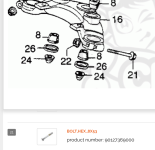

Well, so much for my memory, LOLI'm seeing 8m x 53mm.
I know the 360 has a different headlight switch than the 350 and 450 (Off and On only if yours is original), so I wonder if something in the switch contacts for the alternator white and yellow connection is not working right and feeding some alternator voltage into the harness.I suppose this points towards the stator, which I will investigate at my next opportunity.

Is your rectifier grounded real good? I'm not very trusting and run a separate ground wire all the way to the negative battery postI made a couple of small tests recently to learn more about the light flicker on my 360 that I will summarize below.
I suppose this points towards the stator, which I will investigate at my next opportunity.
- I measured about 0.8 VAC across the battery terminals with the bike running and the headlight switch on (low beam).
- I replaced the LED tail/stop bulb with an incandescent bulb. The flickering of the stop light was greatly diminished, but was still noticeable in the headlight and neutral light, both of which are incandescent.
- I put the LED bulb back in the tail light and tried it with the bike running and the headlight switch off. The stop light did not flicker at all, but the flicker returns when the headlight is switched back on.
I have modified the handlebar switches, but retained the headlight on/off functionality. I'm going to investigate this further to see if I deviated from the schematic when setting up the new switches (a few years ago).I know the 360 has a different headlight switch than the 350 and 450 (Off and On only if yours is original), so I wonder if something in the switch contacts for the alternator white and yellow connection is not working right and feeding some alternator voltage into the harness.
Since your switches have been the way they are for some time, I'm leaning toward your existing rec/reg unit. If it wasn't causing pulsating lights before and your battery is good and the connections clean and tight, it just feels like ac leakage into the harness.Took a few minutes to test the alternator.
Seems okay.
- Resistances: Y-W 1.6 Ohms, Y-P 1.1 Ohms, P-W 0.6 Ohms. No connectivity to ground.
- AC Voltage Output: Y-W 16 Vac, Y-P 13 Vac, P-W 2 Vac, all at 1200 rpm idle.
I have modified the handlebar switches, but retained the headlight on/off functionality. I'm going to investigate this further to see if I deviated from the schematic when setting up the new switches (a few years ago).
I have a brand new Sparck Moto R/R to swap in if need be. I'll confirm proper wiring before moving on to R/R.
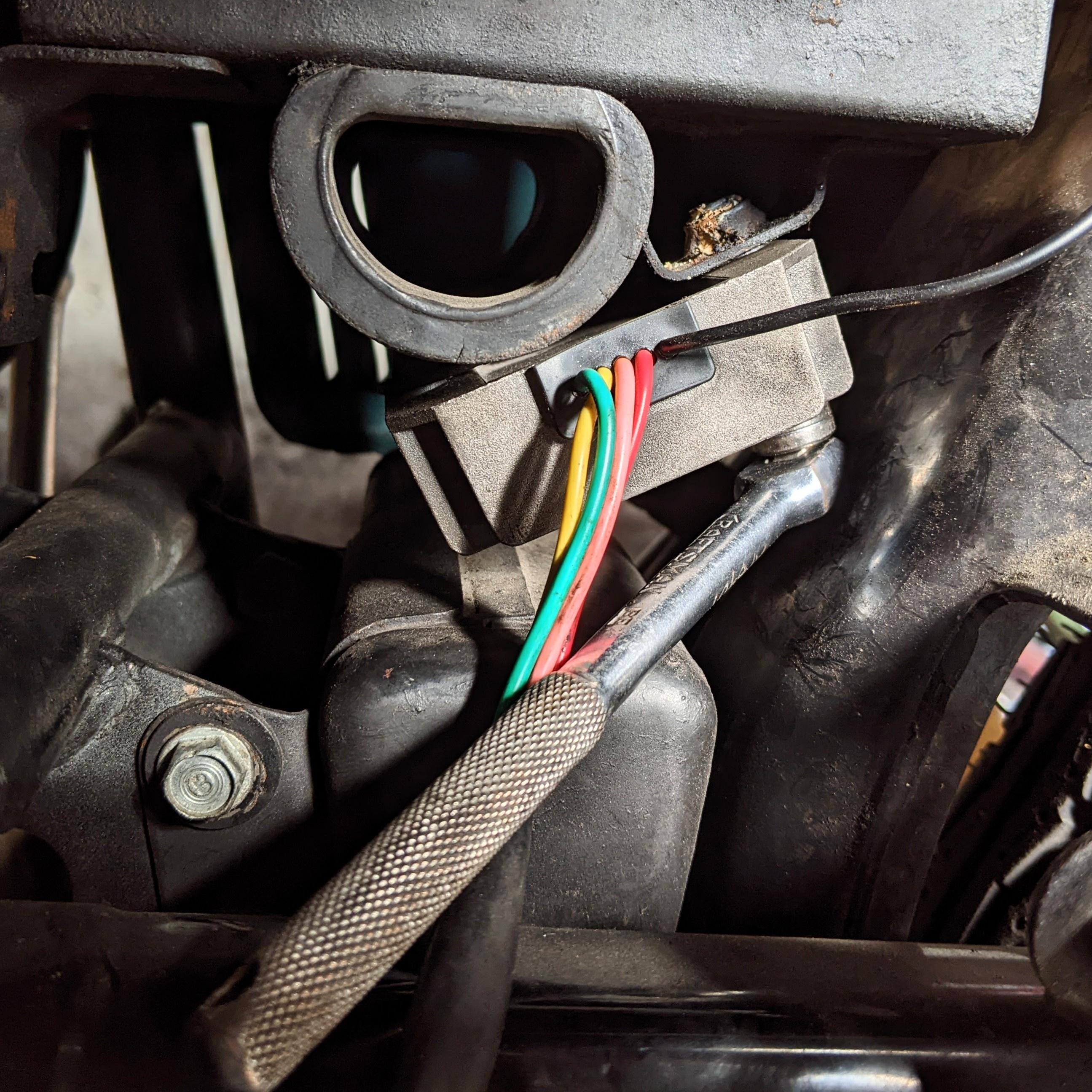
The green wire from the modern R/R units is a ground wire, is it not?Is your rectifier grounded real good? I'm not very trusting and run a separate ground wire all the way to the negative battery post
That's why I asked — I have no idea if the case is actually connected to the internals or if it's only there for protection and heat dissipation. I'll continue with no extra ground unless advised otherwise.If the R/R has a green then the case may not be grounded and an extra wire won't help.
Then I would still add another directly from where that R/R green plugs into the harness to the battery itself.That's why I asked — I have no idea if the case is actually connected to the internals or if it's only there for protection and heat dissipation. I'll continue with no extra ground unless advised otherwise.
I re-read this just now and I'm wondering, you connected the yellow and white with yellow sheath at the main harness?I directly connected the yellow wire to the white wire with the yellow end on the main loom, rather than have that connection occur only when the headlight is turned on.
Yes. I'm including a picture of the relevant portion of the schematic (photo of the schematic from the original Owner's Manual). No bueno?I re-read this just now and I'm wondering, you connected the yellow and white with yellow sheath at the main harness?
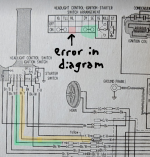
Yes, that's the correct pair when done at the harness ends (as opposed to the right handlebar switch ends of course). I did mine further back under the tank instead of inside the headlight case to save main harness thickness going into the case, but still the same. I just wanted to make sure the white with yellow 'tracer' on the sheath were the two involved, since if done in the headlight case or connection box it might be easy to confuse the white/yellow with the white low beam wire, others have done it.
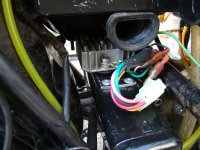
Yes, as I was typing I remembered the connection area the 360 has, kinda like the CB500T uses a plastic box in a similar location.On this harness, this connection is also made under the tank. The original handlebar wiring has a long section folded under the tank.

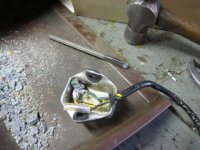
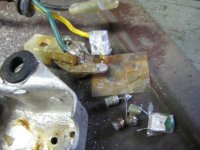
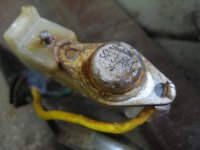
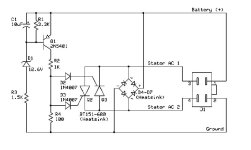
So it will work without the case grounded, but the grounded case protects the electronics from outside electrical noise.
LDR says, "You can't have too many grounds'. The 'noise' issue is new to me but also makes sense. Thanks Richard.Thanks for answering this question, Richard. I appreciate the extra information as well, especially the reverse engineering photos for the Honda regulator and the schematic for the Sparck Moto R/R. (The hammer and chisel make for a nice visual effect in the photo.) It feels better not having to view the modern unit as a "black box," even when the physical circuit is contained in a black box of hardened resin (or whatever that particular material is called).
I can't say for sure. I noticed it a while before doing anything about it, but when I needed to replace the top bridge I decided to look into it, especially after a fellow motorist complained about it in traffic.If the small battery is the culprit because of the draw from the coils at low rpm, has it been doing it the whole time that battery has been in there?
The flickering speeds up with the engine speed. It diminishes somewhat, but is still noticeable at higher engine speed.is it the same at higher rpm? Or does it seem to go so fast that it diminishes at higher rpm?
Maybe try disconnecting your negative battery terminal, then using a set of jumper cables to run the bike off your car's battery with the jumper cable negative connected to your negative cable and not include your bike's battery (car not running, of course). Much bigger capacity battery, see how it acts then.The flickering speeds up with the engine speed. It diminishes somewhat, but is still noticeable at higher engine speed.
Good idea. The logistics are tough because I can't get my car close to the garage without blocking an alley. I have a standard size AGM battery in the 450 I could use or I could connect two identical 5Ah batteries in parallel. The parallel deal is probably the easiest to pull off.Maybe try disconnecting your negative battery terminal, then using a set of jumper cables to run the bike off your car's battery with the jumper cable negative connected to your negative cable and not include your bike's battery (car not running, of course). Much bigger capacity battery, see how it acts then.
I'm actually surprised it will, most won't.The bike will run off the charging system with the battery disconnected
I also checked the DC voltage across the terminals at idle (while the battery was connected) and it was over 12V. It increased to close to 14V as I increased the engine speed a bit. I feel like it's charging okay and the issue is more ignition related.I'm actually surprised it will, most won't.
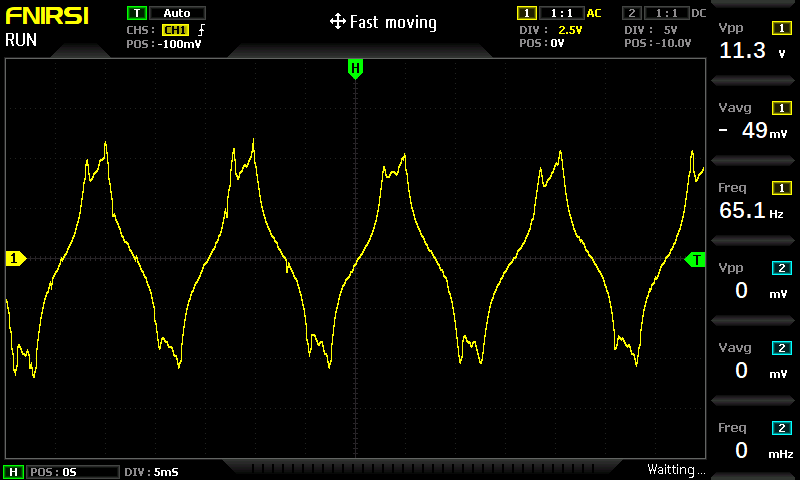

The displayed frequency of 65 Hz would correspond to 3900 cycles per minute, which suggests to me that there are three separate phases produced by the stator and the engine speed was 1300 RPM.
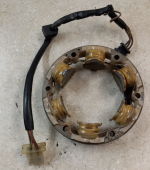
Yes. Here's an image borrowed from an eBay listing.Are there are three pairs of coils on your stator ?
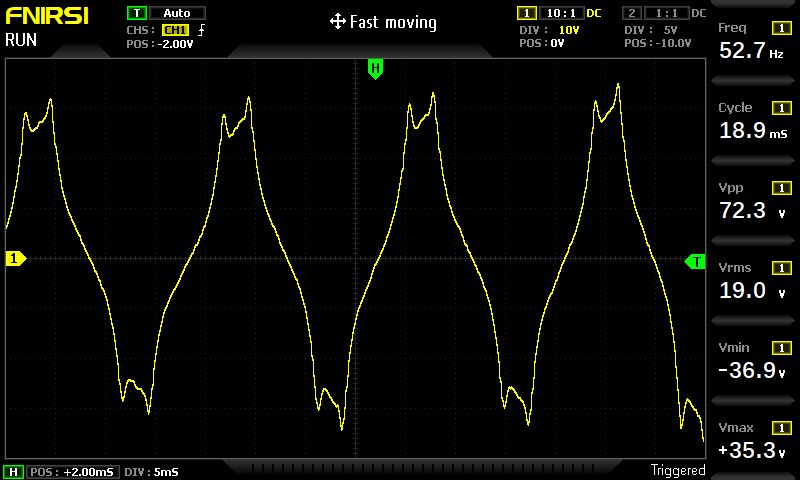
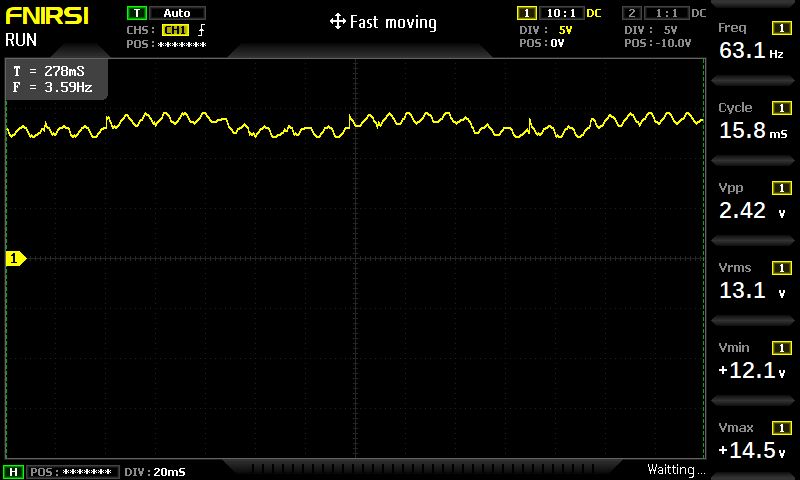

One thing I did forget to mention, I use 5 or 6 wire regulator/rectifier off late 80's or mid 90's bikes and wire to stator as if it's a 3 phase system, the lighting coil 'booster' can be connected directly to the White or Pink and use a Harley Davidson (or any other ) two wire R/R.
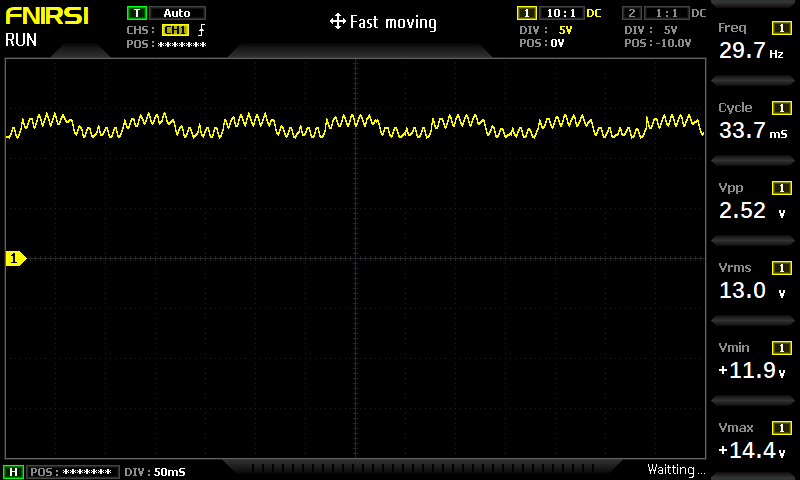
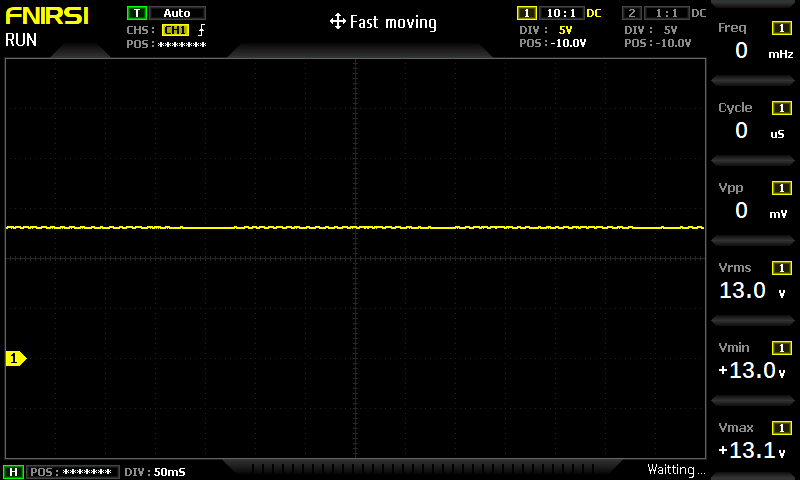
I will do that before doing anything with the coil bracket. My only hesitation is due to the fear that alternating current could damage the battery from the 450.Why not take the battery out of the CB450 K7, connect it to CB360G and see if it will stabilize ? If so, it's the battery capacity, if not, it's something related to the CB360G.
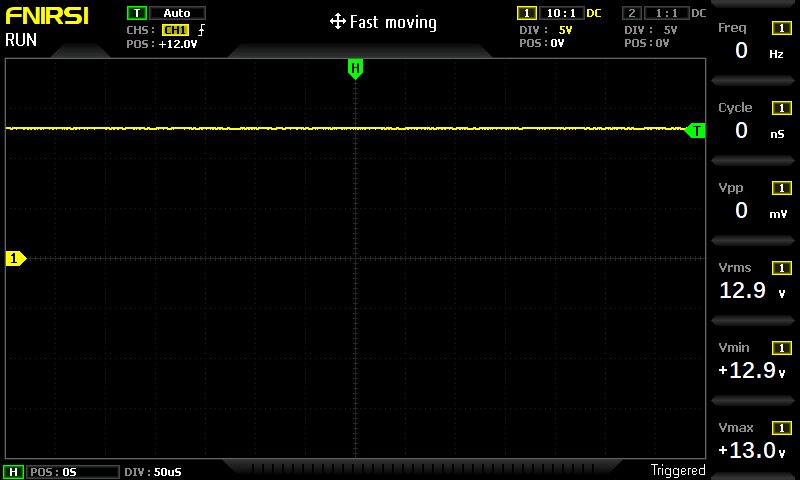
This is perplexing. The wiring harness on my 450 was not the cleanest or the least molested when I got it, and then it spent the last 6+ years being doubled over and back, spliced here and there and taped up to fit under the tank, then recently all undone and revised back to somewhat original and I've never seen anything odd about the electrics on it. It's as if your alternator is still influencing the current flow whether it's involved or not.I'm starting to consider the idea of replacing the wiring harness...

 https://www.customdynamics.com/moto...iring-accessories/brake-light-flasher-modules
Yes, that thought occurred to me when I saw the video, the woman who complained to him must have never ridden behind some of the similarly equipped Harleys like seen in my area.There's people that pay good money to have the pulsing brake light.
I hope it ends up being something simple. I have modified the wiring in various small ways over the years, so I think I'll try to establish minimal connectivity for ignition + neutral light and see what happens.This is perplexing.
Fair. It can be difficult to find some defects, e.g., a bare spot rubbing on the frame, but I agree that it will be better to isolate the problem rather than blindly replace the harness. Thanks for keeping me on task.Unless there's a physical problem with the wires of the harness replacing it won't do anything for this.
Only the tail/stop light is LED and I tried replacing it with an incandescent bulb without any significant change.Your taillight and neutral light are bulbs I presume ? or LED's ?
If bulbs, you have to think in short circuit's. You have a scope, so when you put a low ohm resistor between the battery + and connecting wire, you can measure the current (voltage over the resistor). What is the current draw of your system anyway ?