1973 CL350 Restore

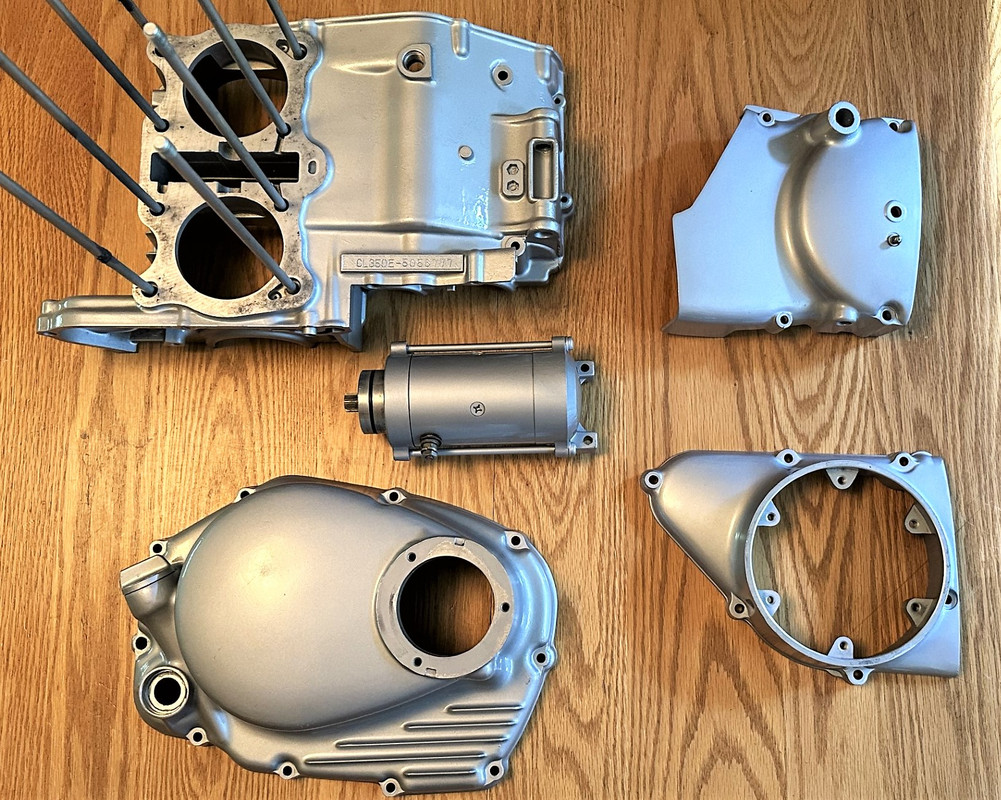
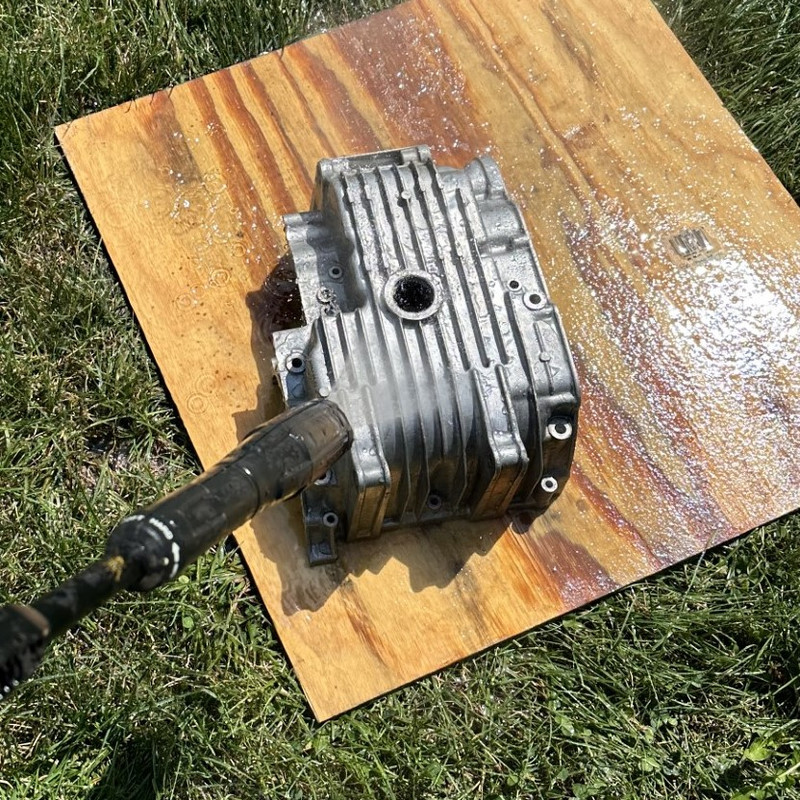
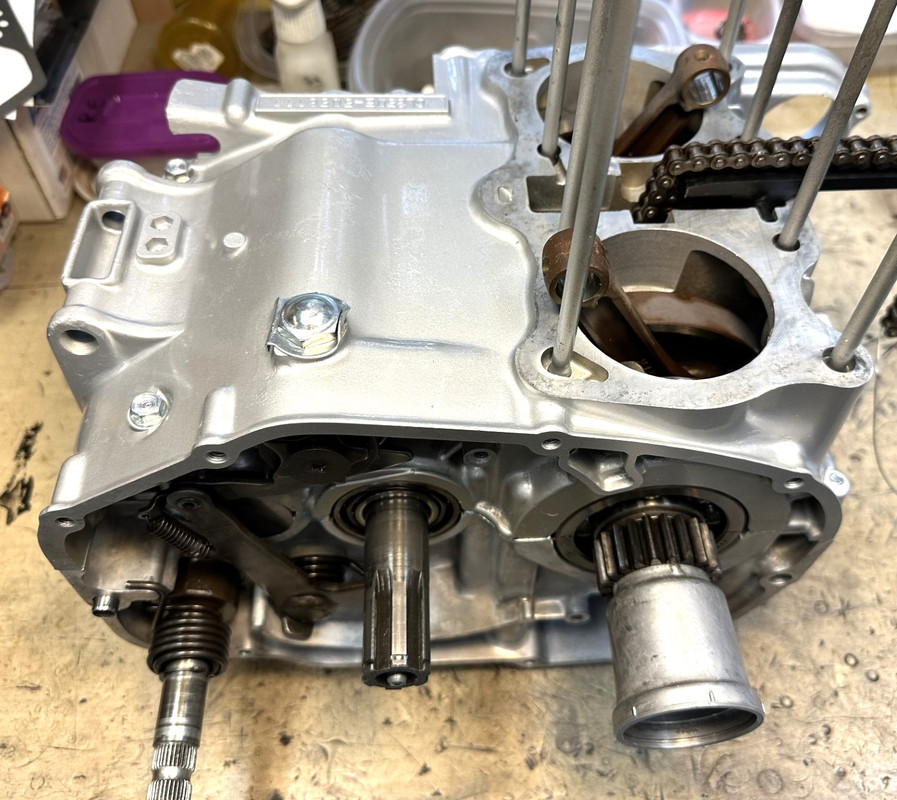
After a thorough scrub of the engine I have found the only painted engine parts are the upper case, sprocket cover, clutch cover, and alternator cover. The lower case, and everything above the upper case is raw aluminum. I would imagine this is universal for at least 1973.
 
After a thorough scrub of the engine I have found the only painted engine parts are the upper case, sprocket cover, clutch cover, and alternator cover. The lower case, and everything above the upper case is raw aluminum. I would imagine this is universal for at least 1973.
Interesting, I took apart a virgin K4 engine and the head gasket showed silver paint overspray on some edges.
 
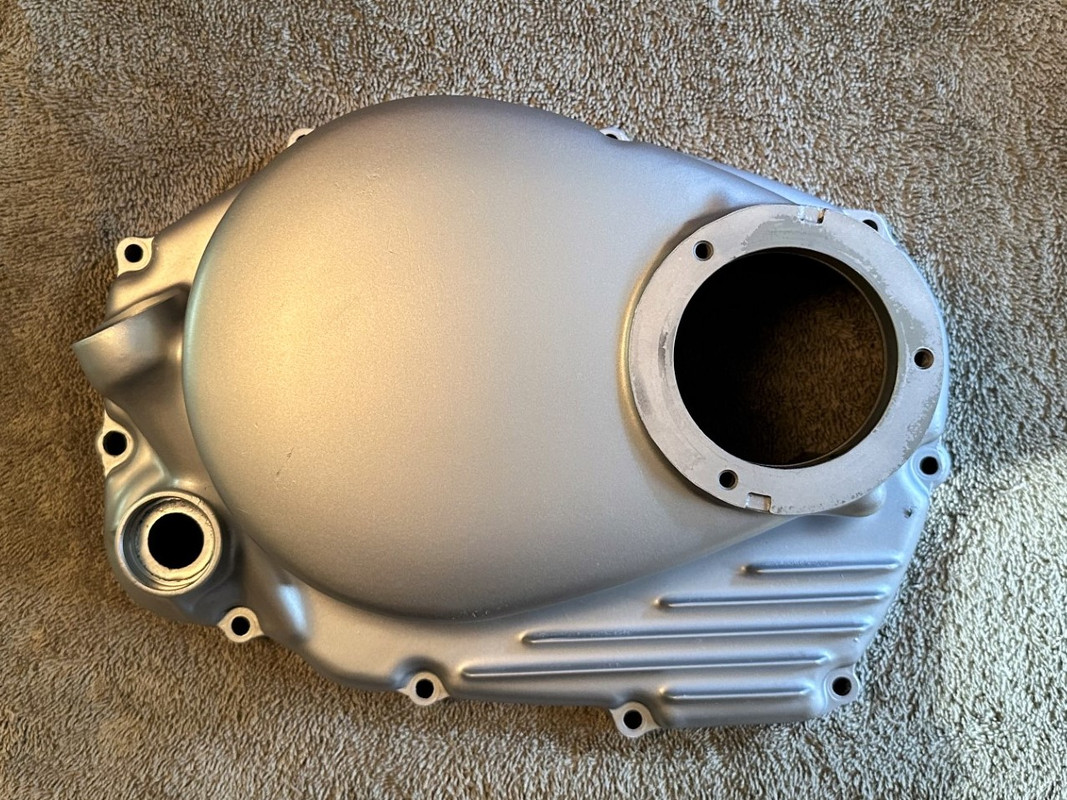
Here is the first part I painted for a color and gloss test. The color seems quite good, but I am considering adding a coat of clear to up the sheen.

First I filed the major scratches out of the cover, then gave it a bead blast in my cabinet with very fine media. I scrubbed it a few times with hot soap and water with plenty of compressed air to rid any traces of beads


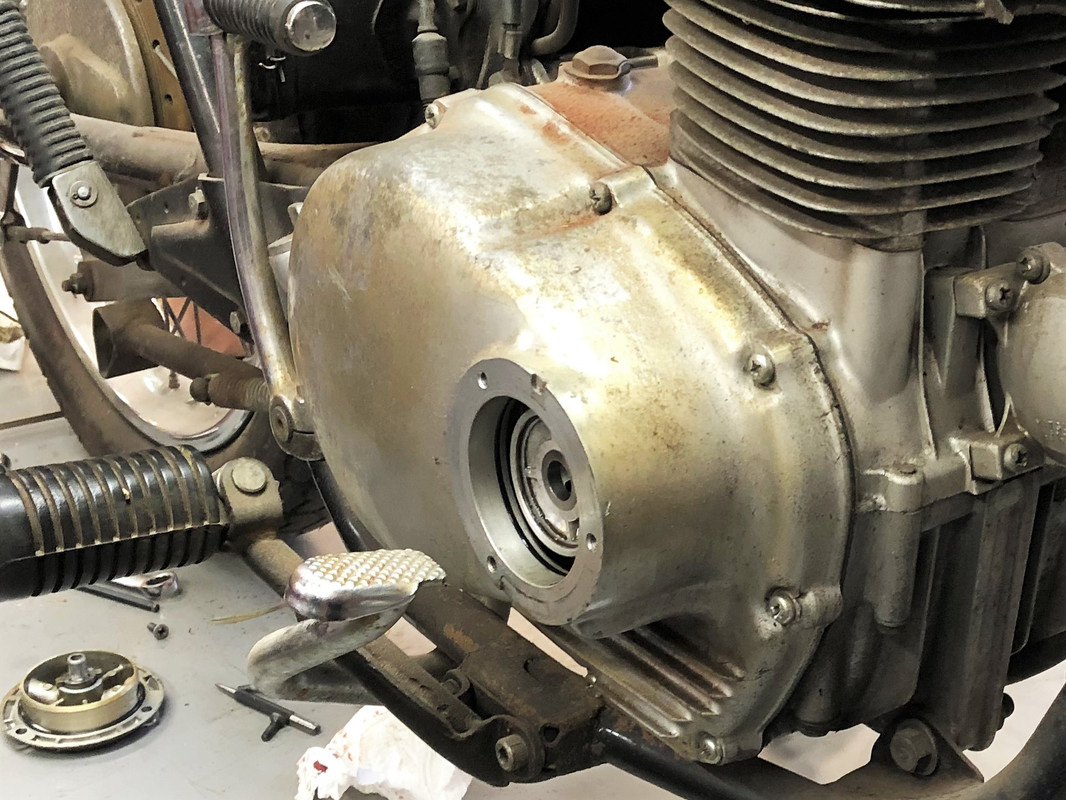
Before

[url=https://postimg.cc/5QfLZW6R]

[/URL]
 
I will be interested in seeing the bike finished and run if you spray the 2K clear on your cases. When I restored the CB350F I sprayed the polished top cover and some other polished engine parts with automotive urethane 2 part clear coat. Afterwards I wondered how it will withstand the heat from the engine.
This bike is a basement queen and has never been run, so I have no idea if the clear will withstand the engine heat when run.
Your doing so will answer my question:)
 
Silver painted engine parts are done. Spray Max 2K applied. Sunny and hot outside. Great weather for curing paint, but I was sweating like I was running a few miles. :)

 
I like it.- Looking awesome.
It looks a lot like mine did. I used VHT High Temp Paint and baked them one weekend when my wife was away.
It stinks up the place so you need days where you can air out the house. I got lucky and did it on a nice fall day.
 
Wish you'd finished cleaning the base gasket surface first but oh well. Just don't spray carb/brake in that area for a couple weeks to let the clear cure better.
 
I like it.- Looking awesome.
It looks a lot like mine did. I used VHT High Temp Paint and baked them one weekend when my wife was away.
It stinks up the place so you need days where you can air out the house. I got lucky and did it on a nice fall day.

If you have a BBQ that is a much better option than your oven in the house IMO. You can easily set the temp to 200F on the BBQ and use some bricks to keep the pieces off the grills. No smells... no SWMBO being unhappy with the paint smell in your home.

Regarding the top case for a clean up. If you use some of the small rotary wire wheels (1" to 1/1/2" sizing) that are designed for Dremel tools you will be able to clean that surface fairly easily for the base gasket on a rotary tool or a drill with no chemicals required.
 
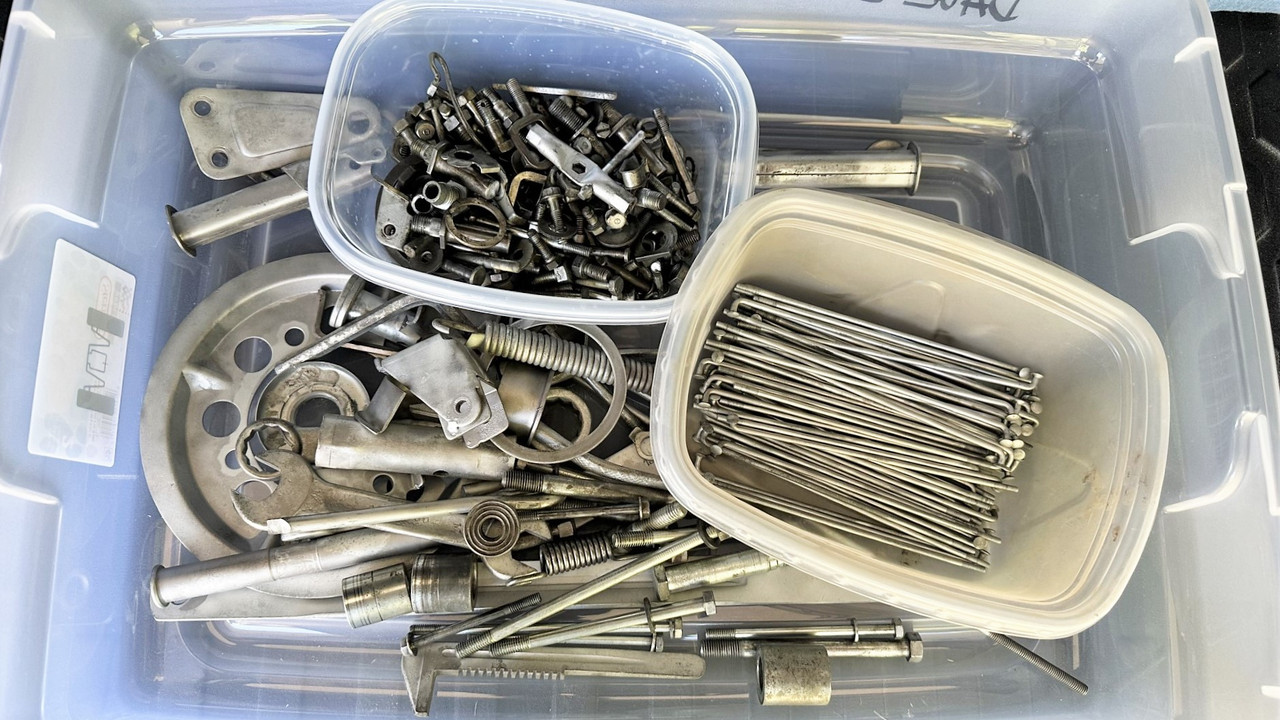
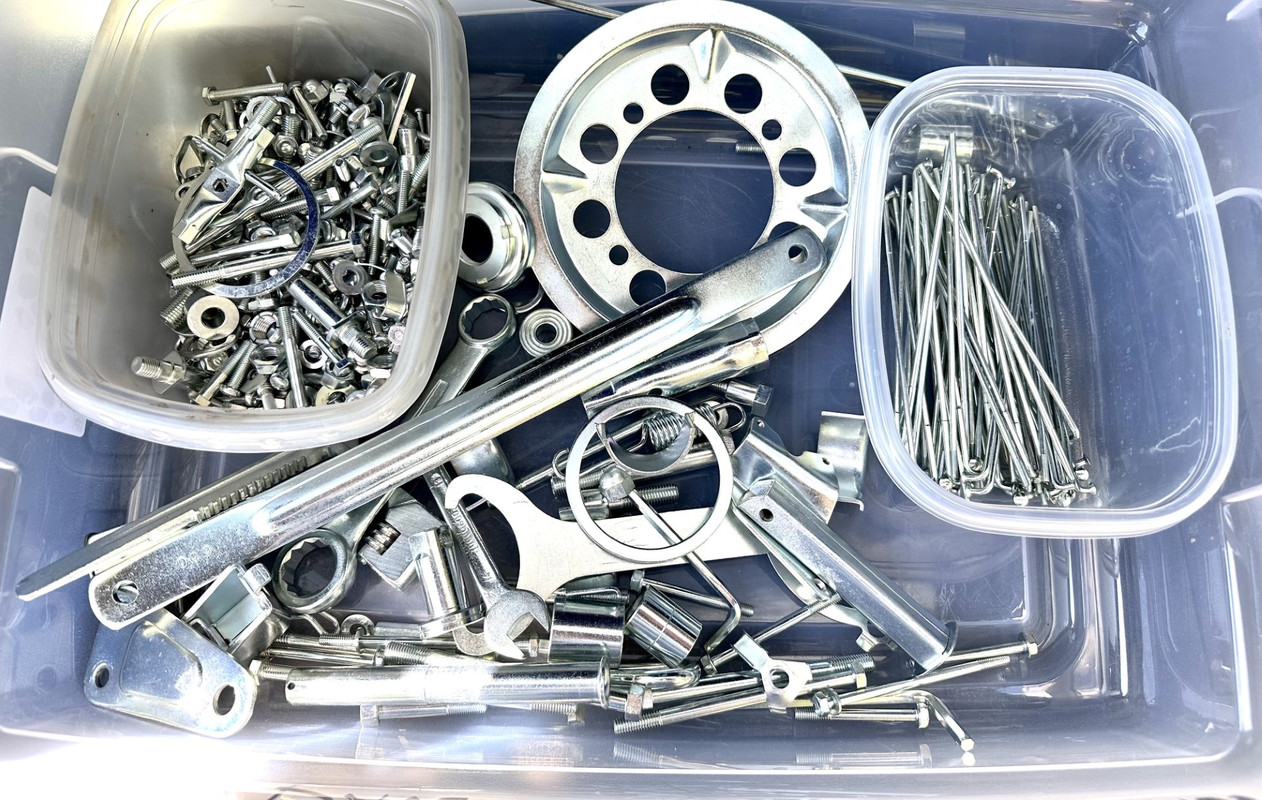
The laborious process of cleaning the hardware for drop off at the plating house is complete. They should be back in 2 weeks or sooner. It's nice to have a plating shop within 2 miles of my house.
Very ambitious! I hope you have an exact inventory/count of every piece so you can make sure you get every one of them back.
 
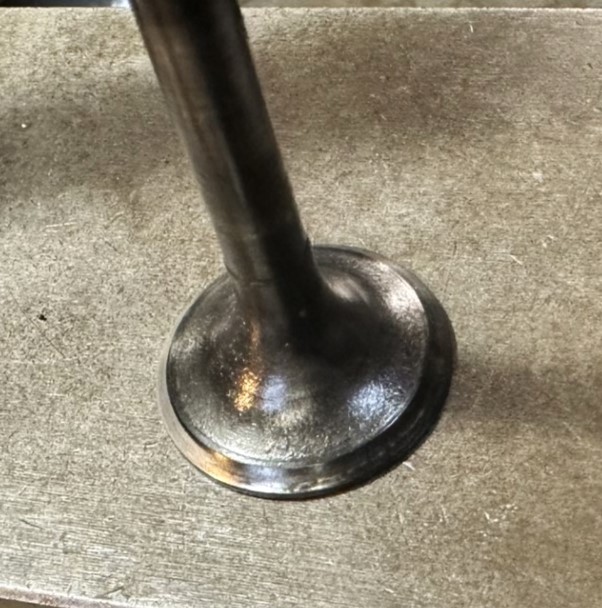
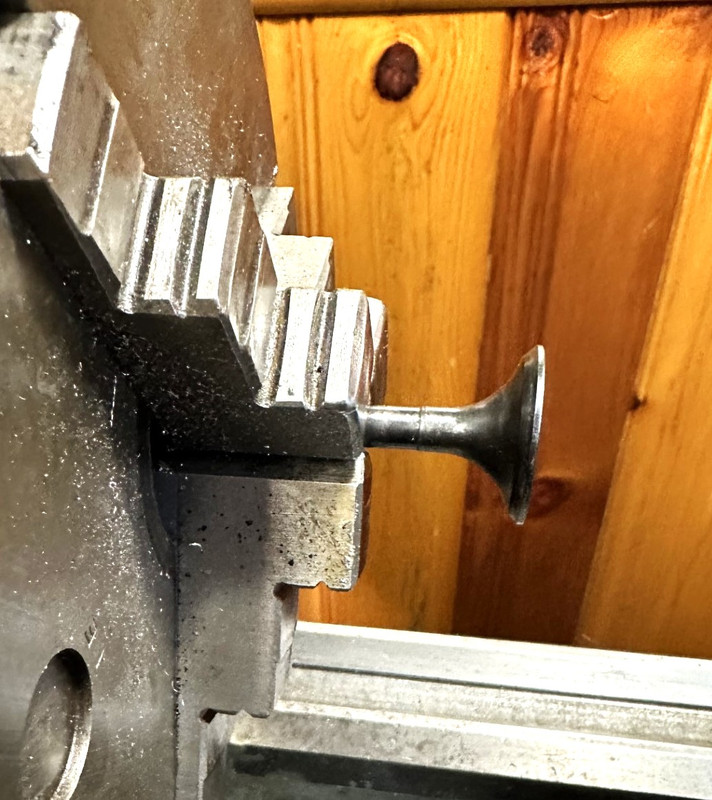
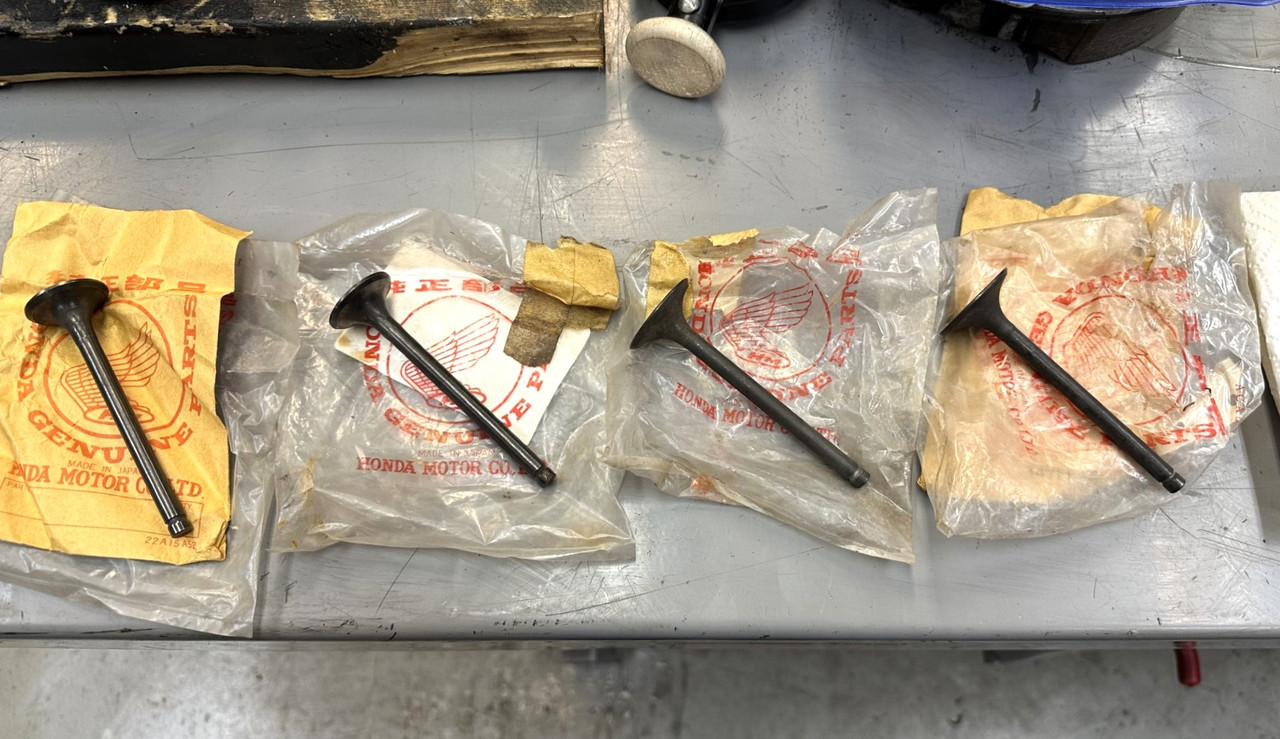
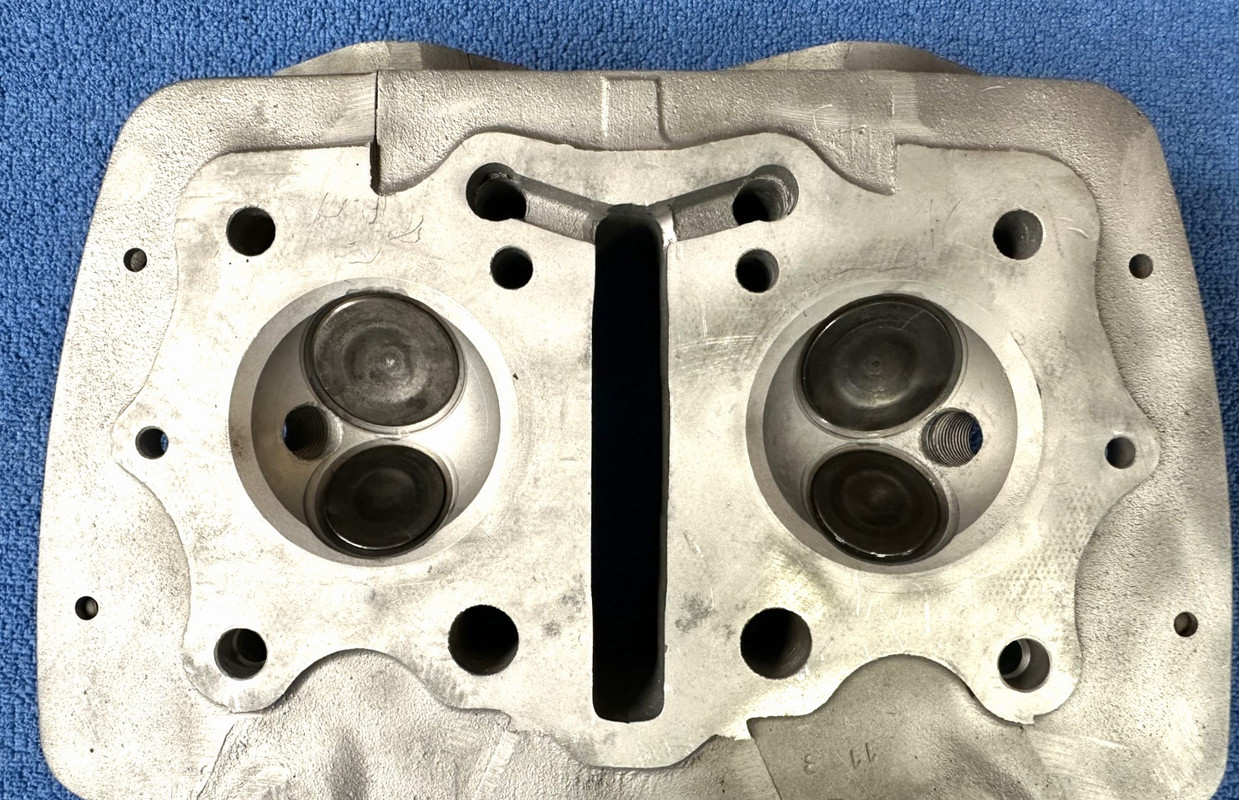
I started to give the valves a quick lapping in when I found this exhaust valve face was only wiping in on one side. I chucked it in my lathe and found that the head was wobbling. There is no obvious contact on the piston so I am out of theories. The bike must have ran like crap. I never bothered to start it. I went ahead and ordered a set of NOS valves.


That valve had to have made some contact with a piston at some point, even if only a light kiss. Might have been run long enough afterward to cover the mark with fresh carbon, especially if it ran poorly which it had to do with obviously lower compression. Could have happened on the first start-up by the PO after a long nap, the stem might have been slightly rusty and it briefly stuck before getting kissed.

Is that a Guzzi above? Clearly modern.
 
That valve had to have made some contact with a piston at some point, even if only a light kiss. Might have been run long enough afterward to cover the mark with fresh carbon, especially if it ran poorly which it had to do with obviously lower compression. Could have happened on the first start-up by the PO after a long nap, the stem might have been slightly rusty and it briefly stuck before getting kissed.

Is that a Guzzi above? Clearly modern.
Yes, that is my new Guzzi V100S. It was added to the post in error of course. Fixed.
 
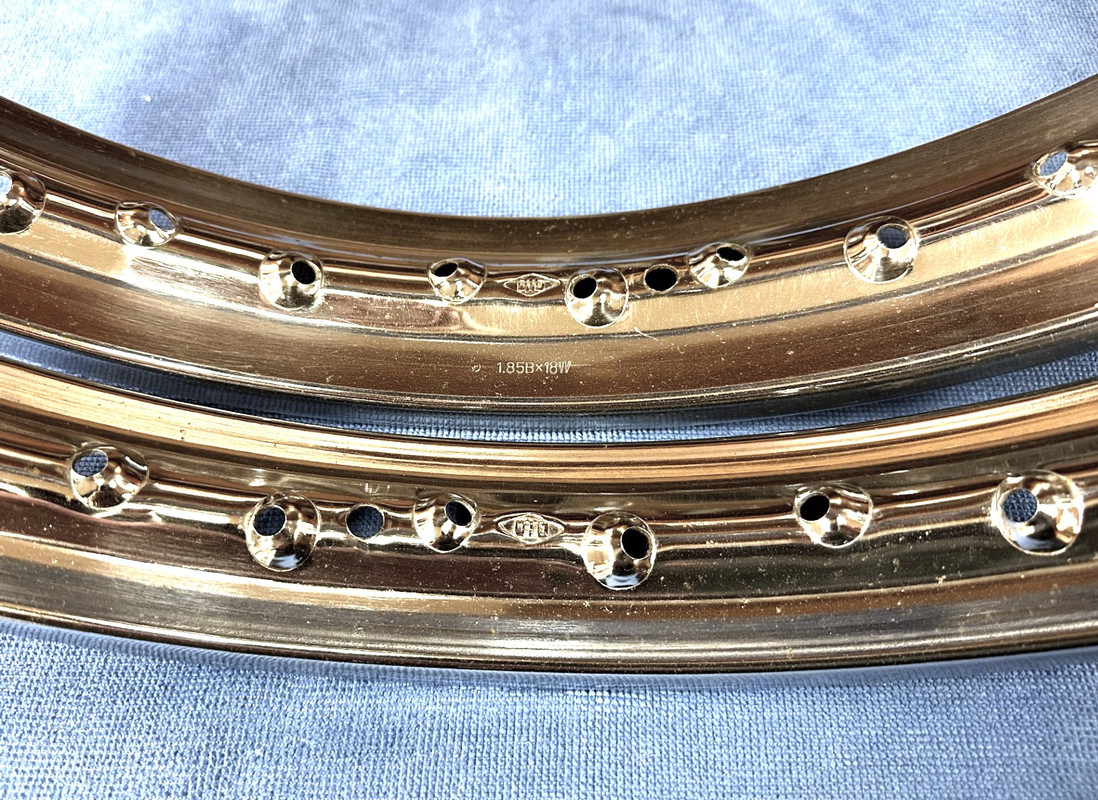
Those rims look beautiful. And the SparckMoto stuff should help you know that the core stuff is solid, so you can work off a good base.
 
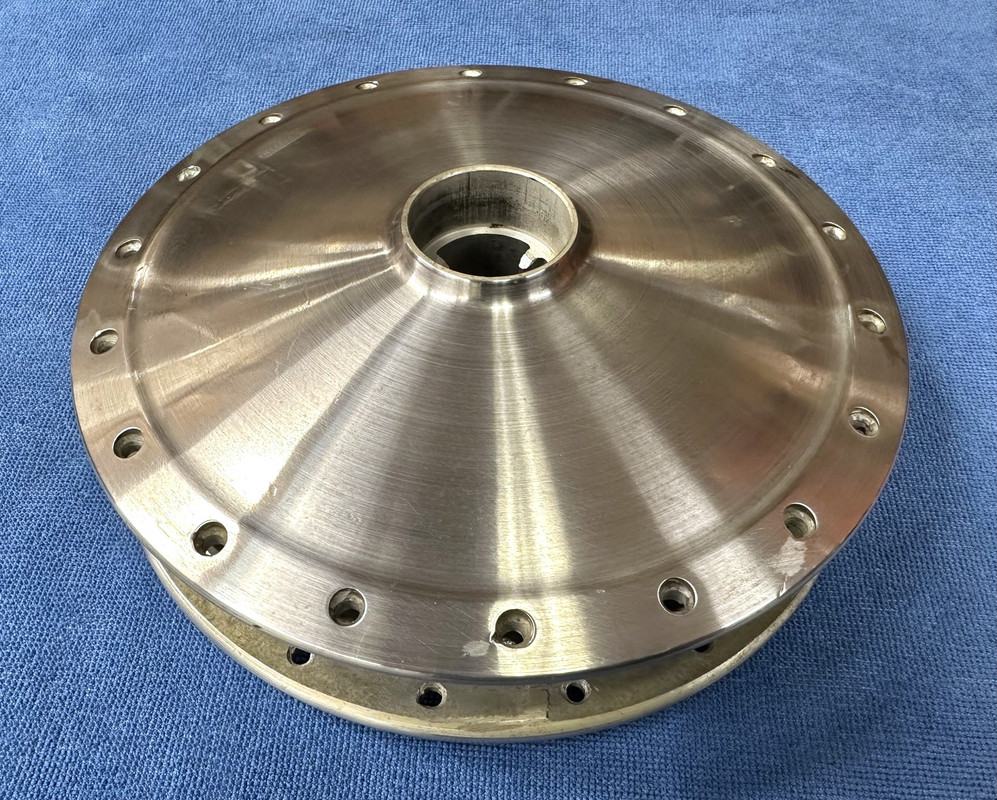
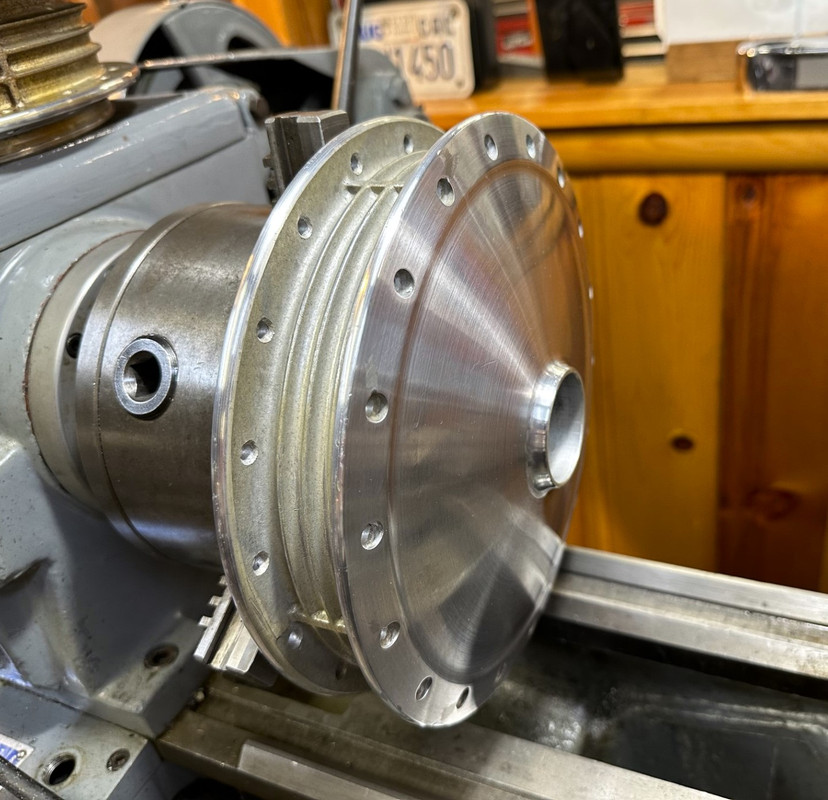
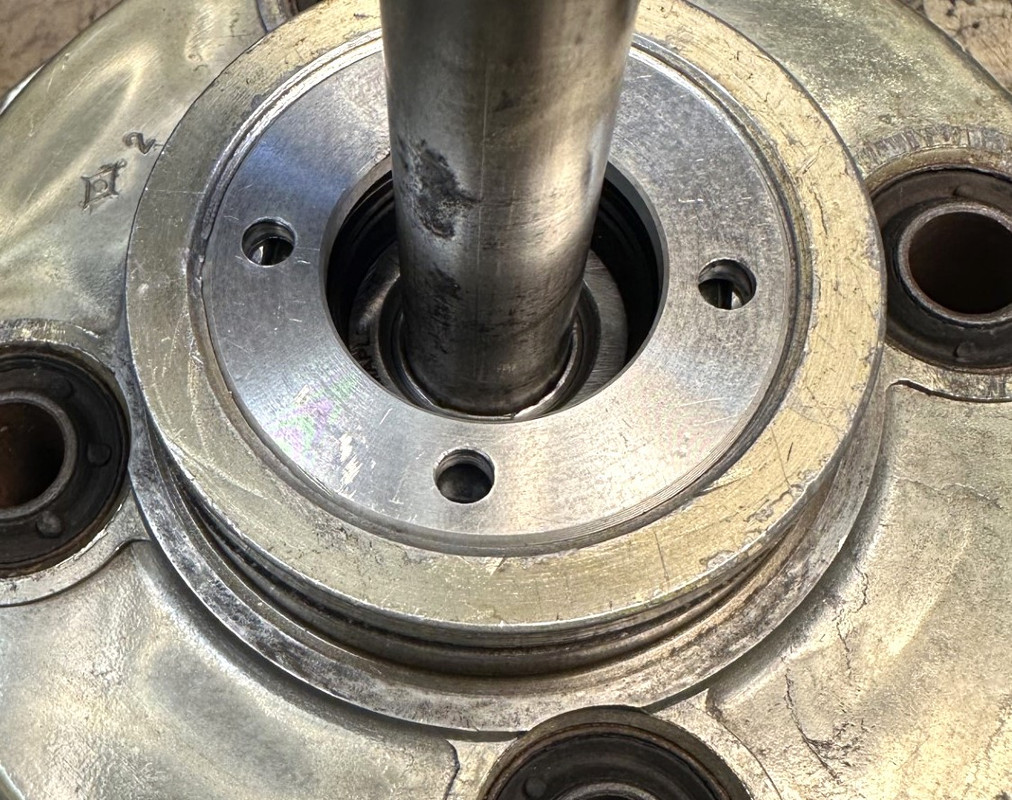
The rear hub has me scratching my head. Studying the service manual and parts book have not helped. I am stumped at the moment.

I have replaced both bearings. The new bearings are the correct size, ID, OD, etc.

The drive side of the rear hub has a collar that slips into the back side of the bearing. The ID of the collar is a slip fit to the OD of the rear axle.


BUT the brake side bearing has no such collar called for and there is a large gap between the bearing ID and the axle OD.

What is up with this? This can't be right? This bearing has the same ID as the one I replaced. Could it be the wrong bearing was installed years ago?

 
Last edited:
So what takes up the space in this bearing on the brake side? It appears that it should also have a top hat spacer, but none is called for.

I think it should be a slip fit onto your axle. The distance piece (item #1 in the full page diagram that I posted above) also has a 17mm inside diameter and abuts the inner race of that bearing. Both are slip fit onto the axle. What do you measure for the OD of your axle?
 
I believe you have the wrong bearing. You have a 62040 2RS, which has a 20mm inside diameter. You should have the bearing I mentioned earlier that has a 17mm inside diameter.

Oops we posted at the same time. At least you kept the top hat shaped distance piece. Too many people pitch that before they get their new bearings, thinking it is part of the bearing. It isn't. It is an NLA part from Honda.
 
I believe you have the wrong bearing. You have a 62040 2RS, which has a 20mm inside diameter. You should have the bearing I mentioned earlier that has a 17mm inside diameter.

Oops we posted at the same time. At least you kept the top hat shaped distance piece. Too many people pitch that before they get their new bearings, thinking it is part of the bearing. It isn't. It is an NLA part from Honda.

And even more knock out the bearing over a 25 gallon trash barrel and the inner spacer between the bearings automatically goes in the trash without them realizing it. But Dave's Head Space was operating correctly on that one. (y)
 
When you drive in those new bearings, the driver you use can cause a problem. The inside bearing (the one you are going to replace) should be driven in to the bottom of its counterbore. The other bearing (the one with the top hat spacer) should only be driven in until its center race, along with the top hat spacer, contacts the center distance piece. To accomplish this, I recommend a driver like this one:
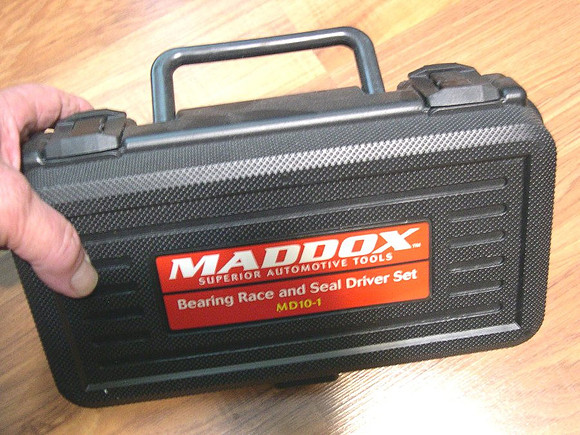
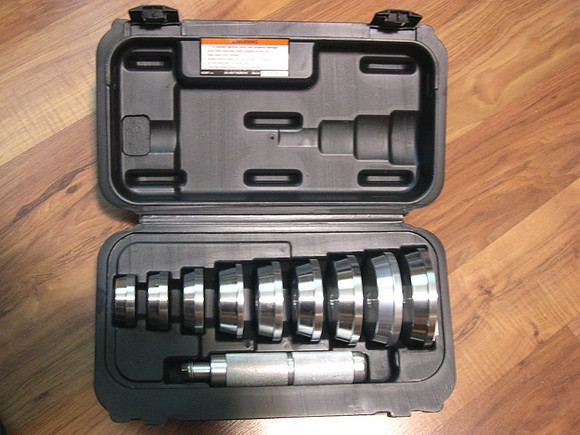
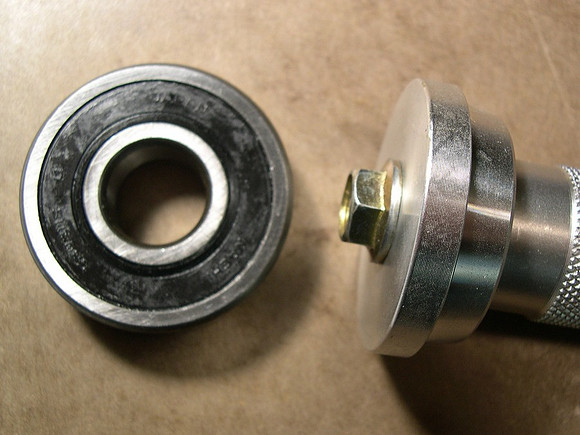
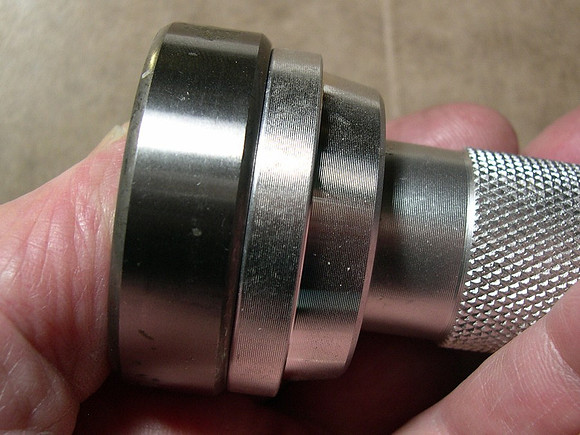


By using a driver that is flat across the face (and contacts both the inner and outer races), it will stop when the inner race makes contact. At that point, the outer race will NOT be in contact with the bottom of the counterbore.

On the other hand, If you drive the bearing in by using something like a large socket wrench that contacts only the bearing's outer race, you can easily drive the bearing past the point where the inner race has made contact, and you will have side-loaded the ball bearings in their race. The same is true if you use a punch, and tap only around the outer race. It is possible to drive the bearing into the counterbore to the point where the center race is not only against the distance piece, but it has such a side load against it that the bearing will not turn.

I am sure that the wheel is built this way to allow for tolerance stack-up. They could not have the inner race on one bearing, then the distance piece, then the top hat spacer then the inner race on the other bearing all in contact, and also have the outer race of both bearings pressed to the bottom of their counterbores. Hence, the counterbore on the brake side is deeper to provide clearance. The critical thing is to have contact from one side of the axle assembly to the other via the inner races and the distance piece. The bearings themselves are designed to accept the side load encountered during riding.

As a side note, think about how the axle, spacers, wheel adjusters, inner bearing races, washer and nut all clamp together at final assembly. Neither of the bearings' inner races rotate as the motorcycle rolls down the road. The ball bearings, outer races, and the wheel rotate around the stationary inner races.

If anyone disagrees, it is easy to see this by measuring some depths with your calipers (using the depth rod that sticks out the end). Also measure your bearing face widths, and the length of the distance piece and do some calculations. You can also look into the hub's counterbore and see where the outer race of the old bearing stopped when it was pressed into place. It was never pressed to the bottom of the counterbore.

This issue has come up a number of times in the past and was discussed on that old forum clear back in 2011 when people were wondering why their back wheel was binding.

Ray

p.s. That driver kit is fairly cheap and came from You know where.

 
Last edited:
Back
Top Bottom