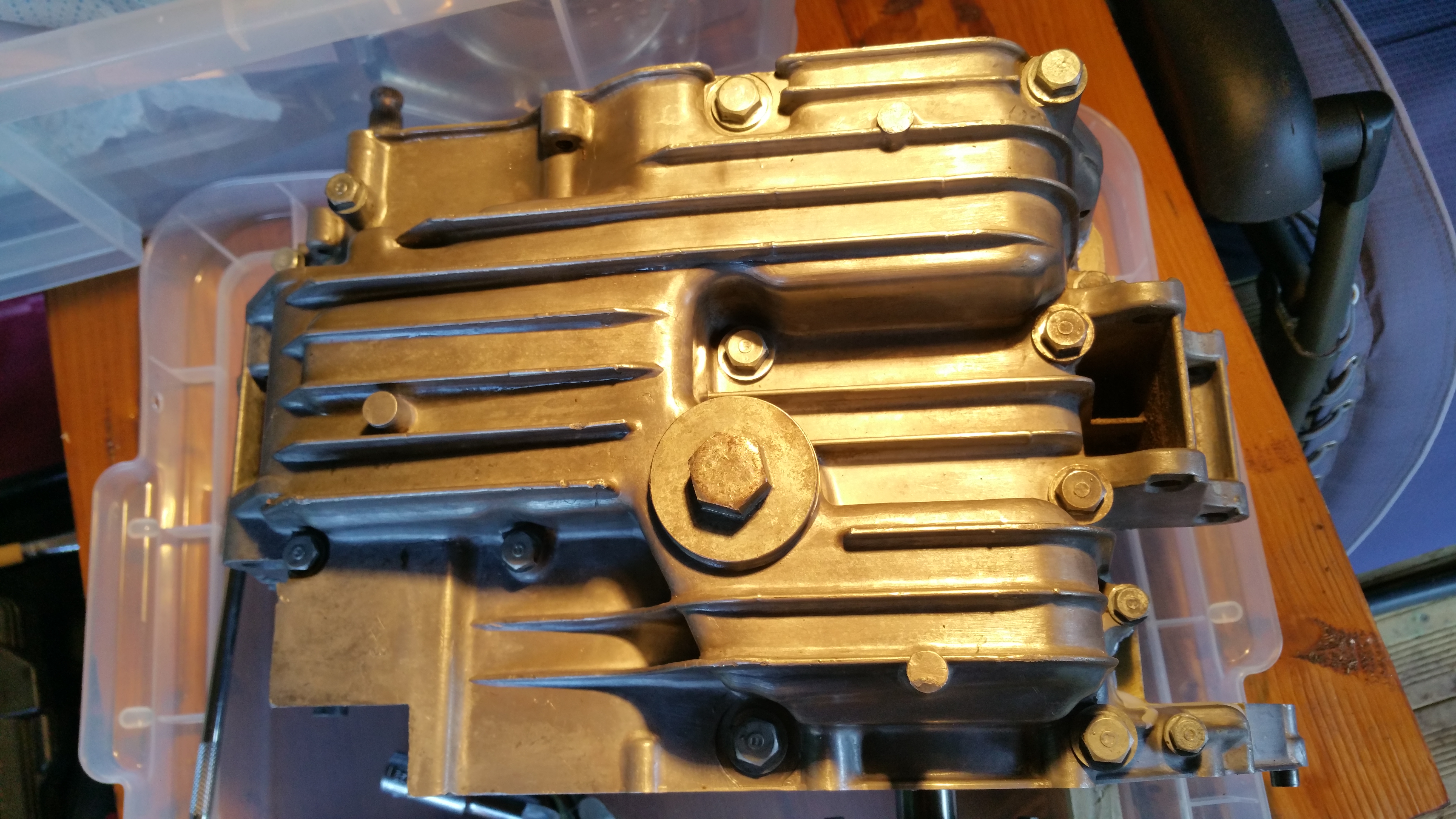
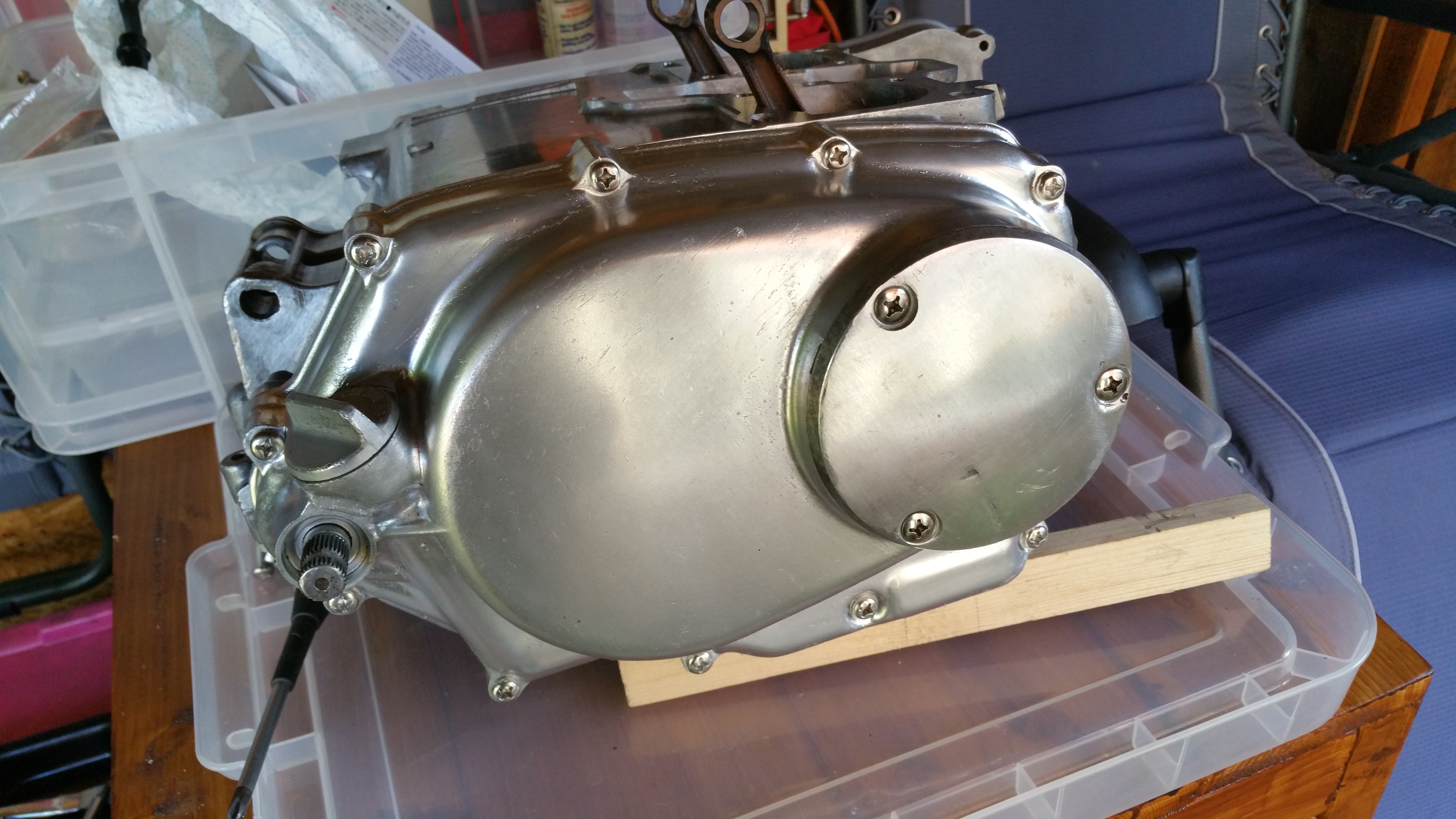
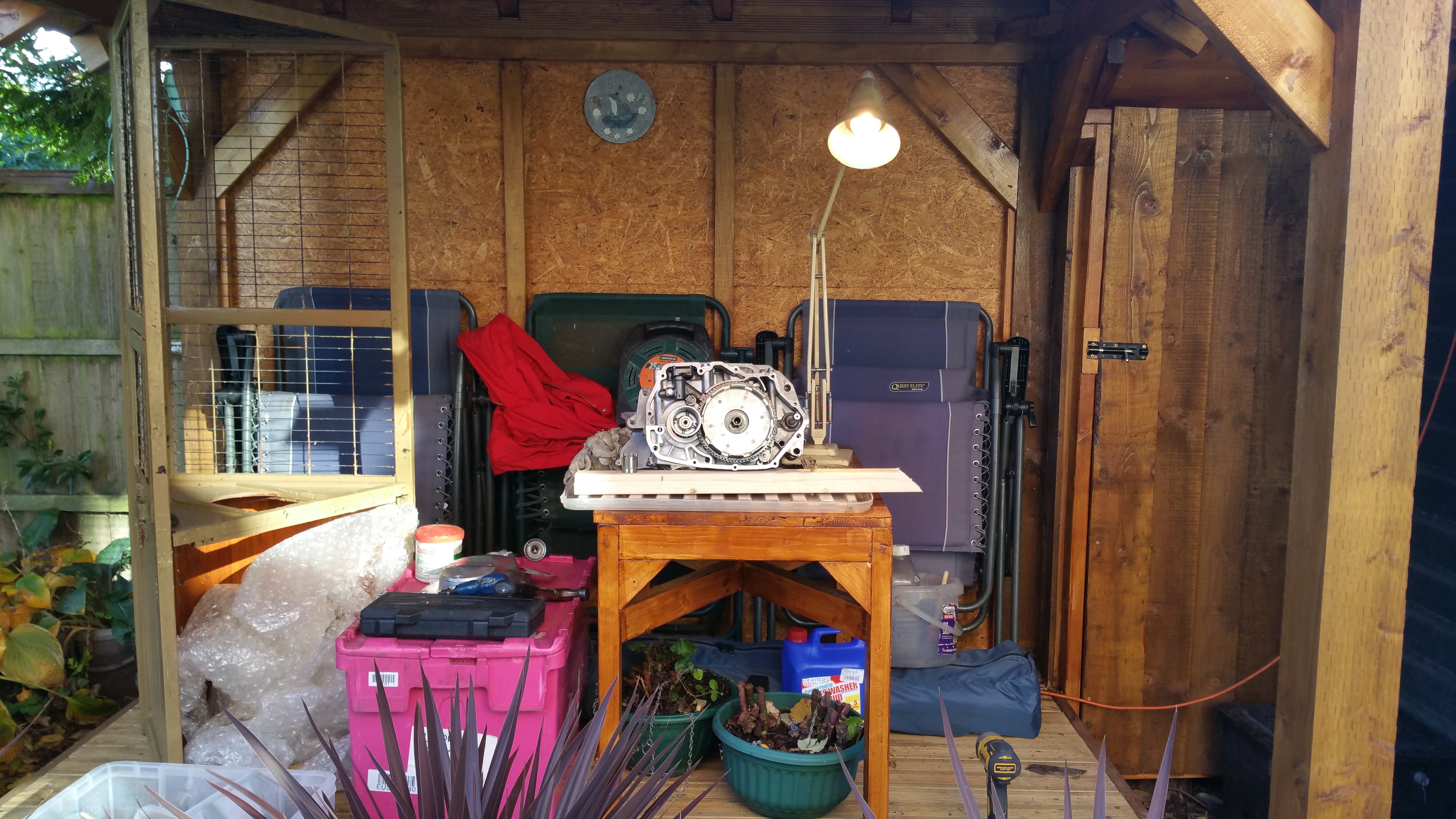
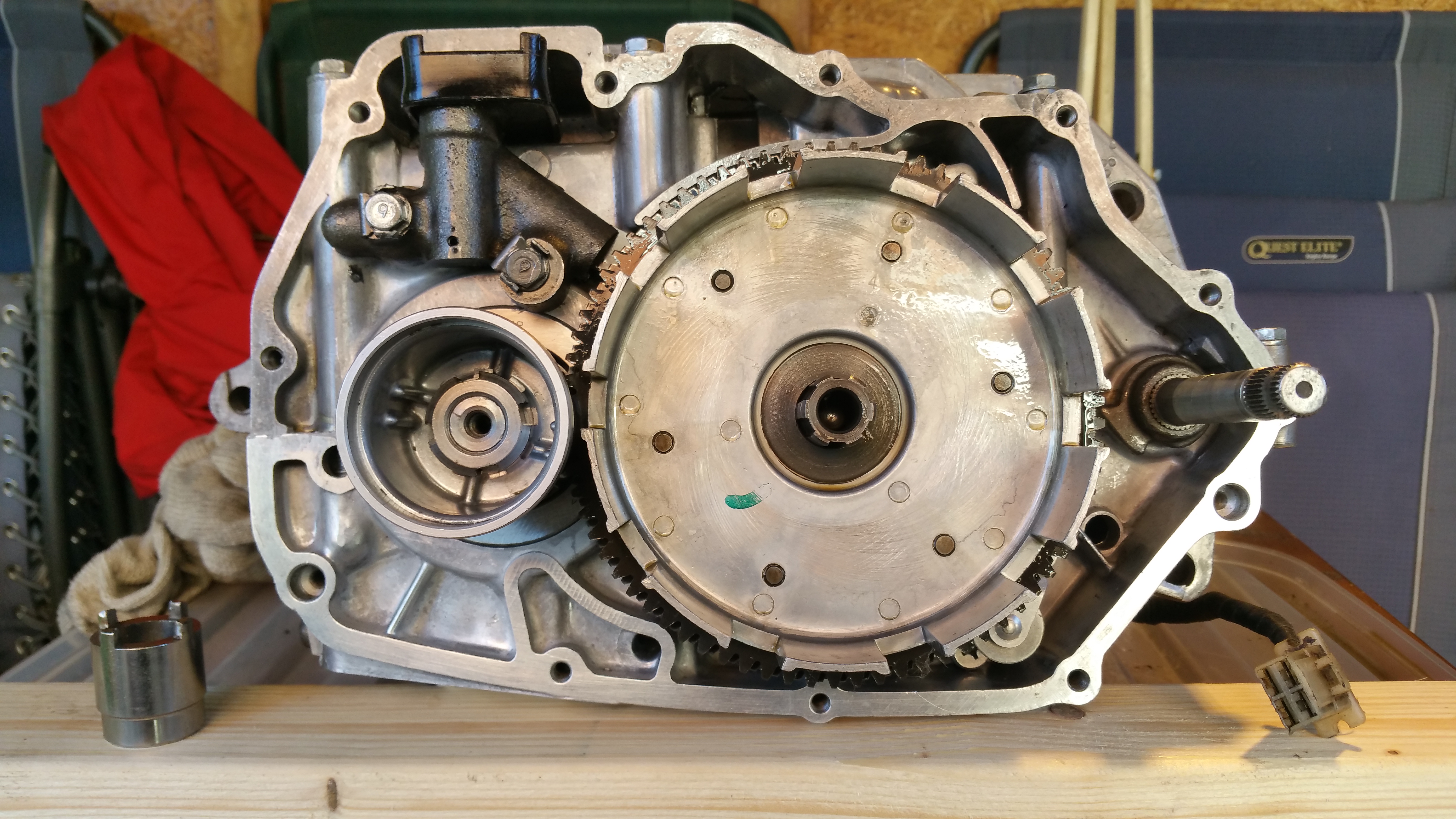
My SL175 look alike project.

This morning, spent a while in the loft, looking for parts.

Found the spare cylinders, new pistons, pins, rings and circlips.

175 cam shaft and new journals, good set of cam followers.

A 175 oil pump, although I'll probably use the 200 pump, if it's in decent condition.

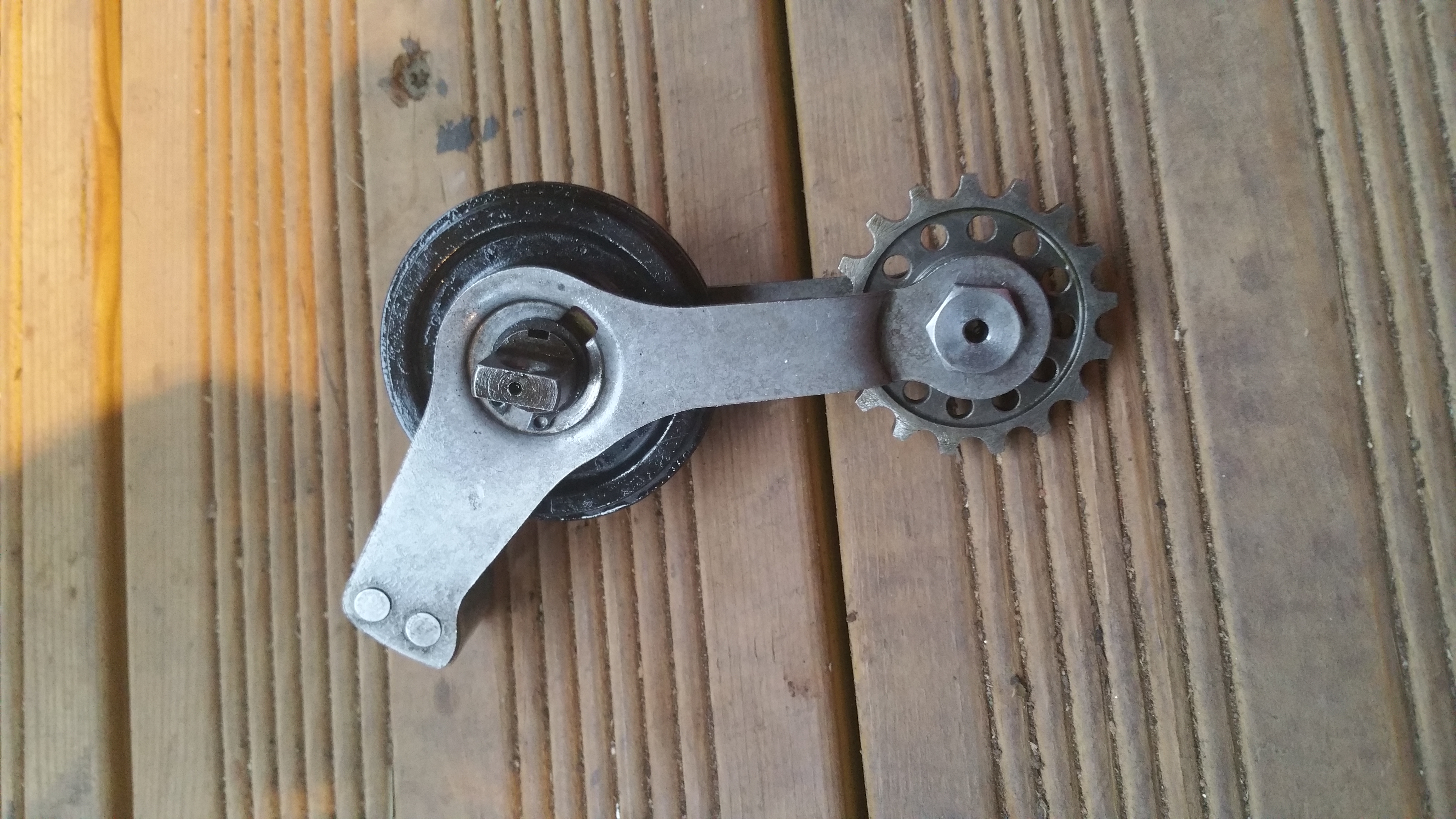
Cam chain tensioner and new cam chain and links. I'll probably pinch the Capellini tensioner idler gear out of the 200 engine.

Just need a gasket set and oil seals, other missing parts will have to come out of either the 200 engine or the other CB175 engine.

Off to Tesco tomorrow to get some more of those large lidded clear plastic storage boxes, ideal for cleaning then storing parts.
 
Removed the CL175 engine this afternoon. Took me a couple of hours but I was tired afterwards.

Remembered to drain the oil first, still managed to spill it over the garage floor. I had intended to drain the petrol tank via a hose attached to the fuel tap, but got impatient and pulled off the link hose, then couldn't get the tank off past the seat. At least the resulting flood of fuel washed away the spilled engine oil.

Apart from that, plain sailing until I came to wrestle the engine out. Somehow managed to head butt something sharp on the handle bars, gashed my forehead, used an oily rag to wipe off the blood. Put my tools away once engine was safely on the floor and went for a cup of tea or three …

Day off tomorrow, then I'll be putting the original engine back into the CL. SL part engine supposed to arrive on Thursday.
 
Ah, the joy of wrangling engines in and out of the frame... but apparently much easier on the SL than the CB or CL according to your other recent posts. I never had to pull the engine on an SL175 during my time in the shops, but I did pull quite a few CB and CL engines... back then, all of them seemed to be a PITA (but I was young and impatient)
 
Hi Richard,
Well, I’m glad I’m not the only one to have these issues. I previously posted about getting the engine out of my SL350K1…I hadn’t removed a removable engine mount plate when I started trying to remove the engine…..I got progressively weaker juggling the engine around, but not making any progress. Once I took that plate off it came out fairly easily. I similarly spilt both oil and blood during this operation. Wonder what the neighbours thought when I yelled out to my wife to ‘bring a nappy, I’ve had an accident’…which actually meant oil was getting all over the concrete and please bring me one of the puppy training pads to put under the engine (those puppy training mats are great).
Hang in there,
Cheers
Mike
 
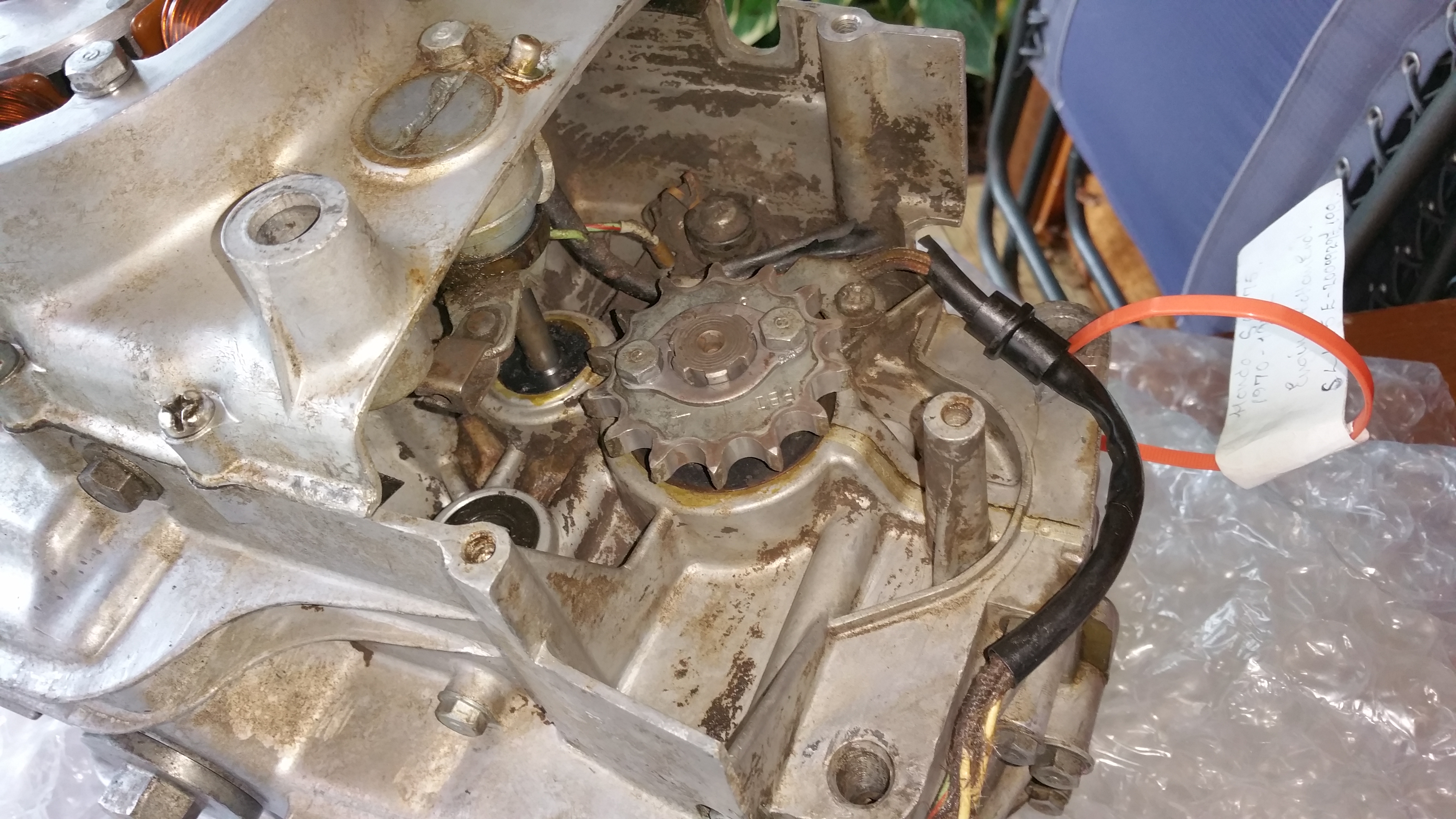
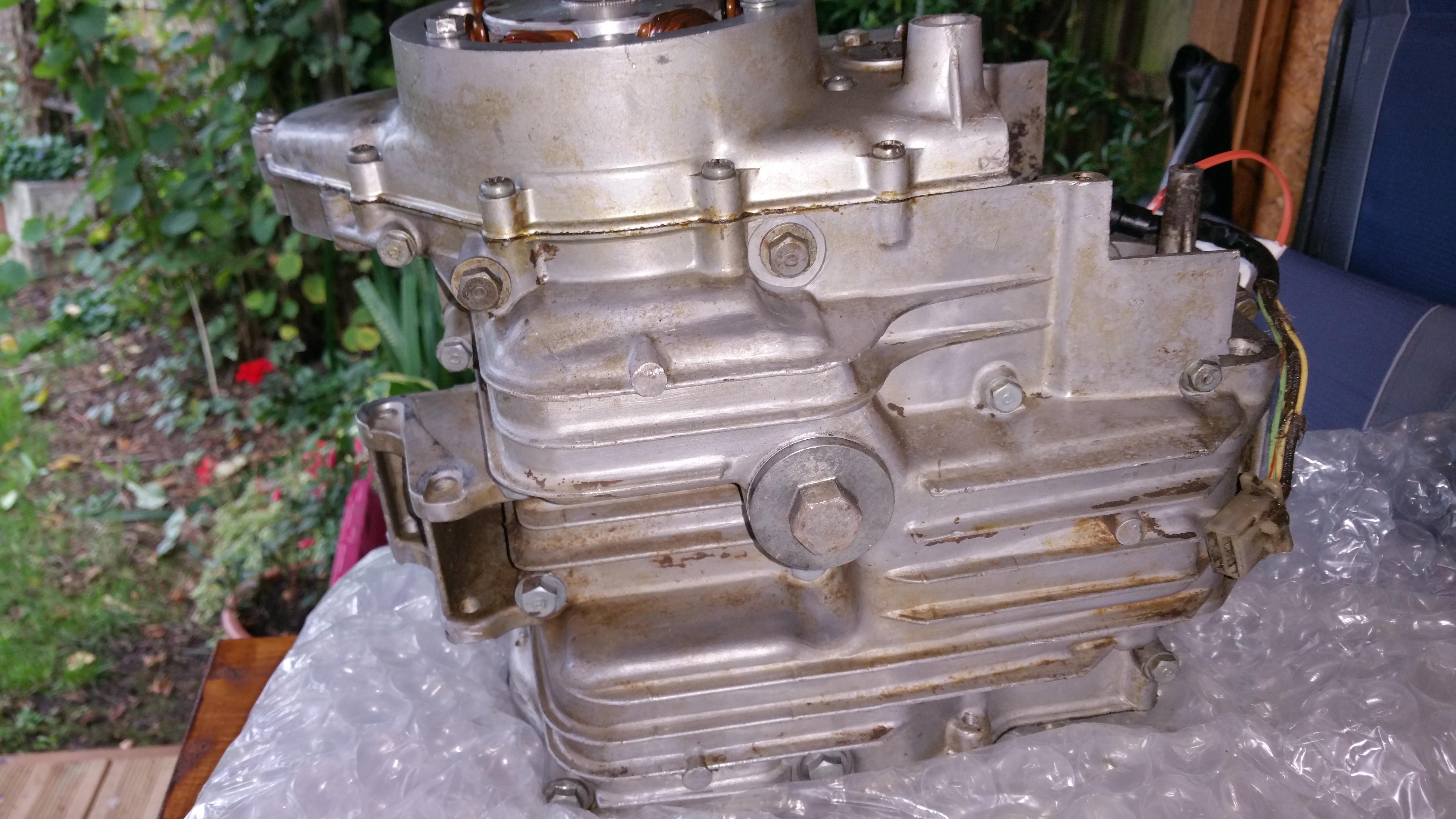
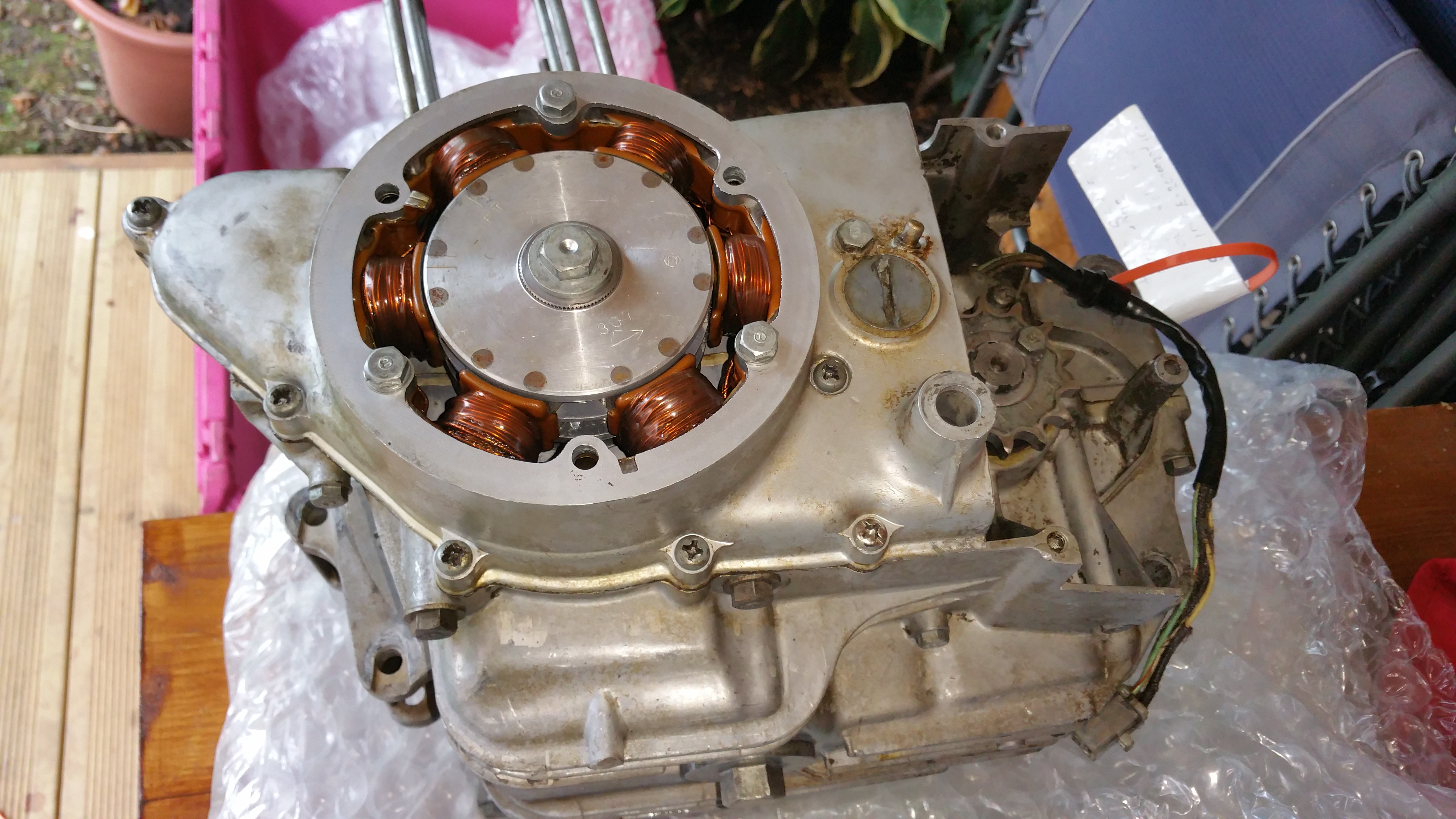
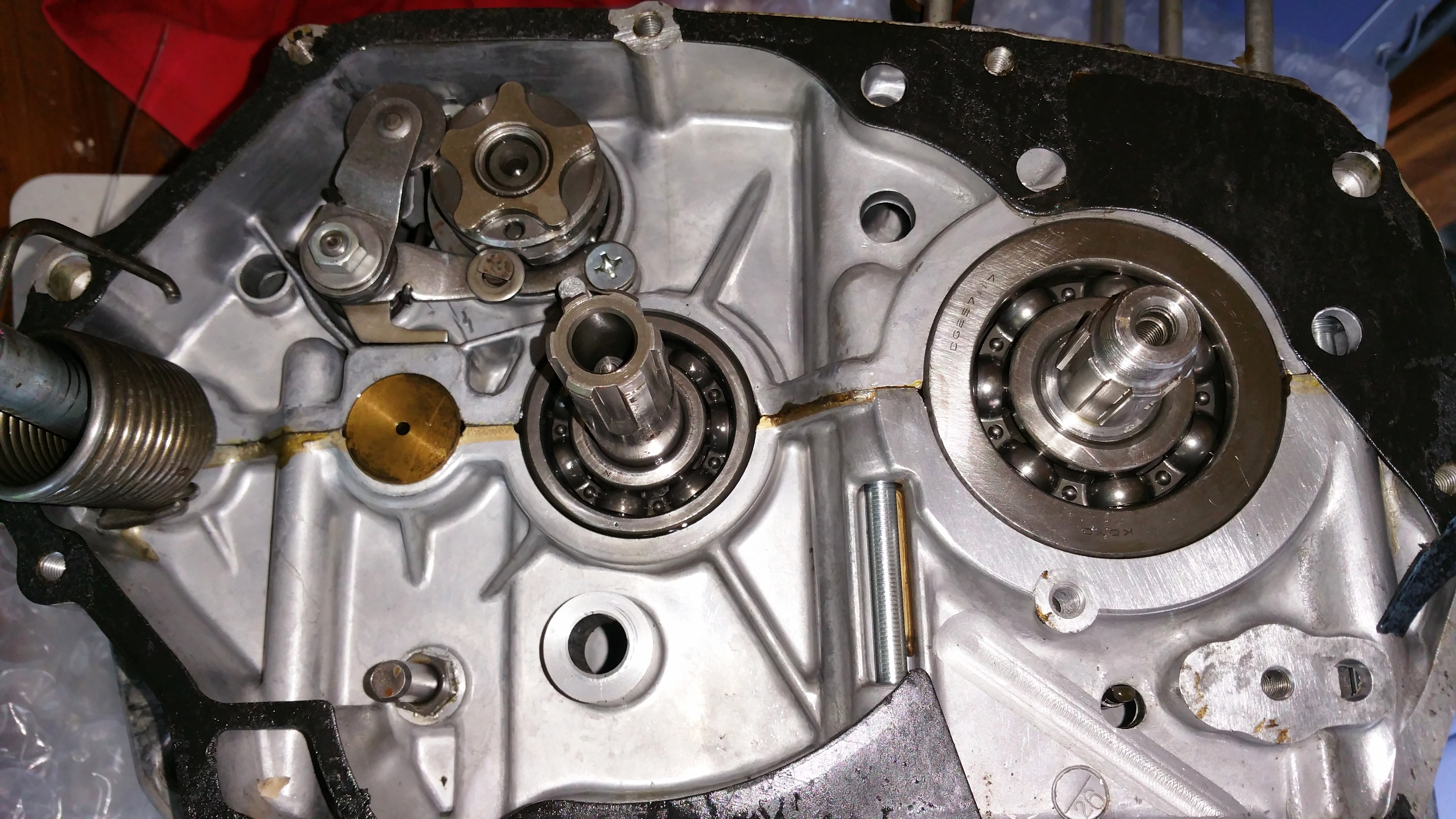
SL175 engine arrived a day early, sat in my front porch when we got home. Nicely packed in bubble wrap inside a plastic crate.

Just got it out for a quick inspection. Pleased to see clutch pushrod is present.

PeyKohm.jpg


Virgin oil drain plug and case bolts.

5VeJR8u.jpg


Spanner muppets have had a go at these case screws

1Q7O04s.jpg


Very clean inside

ag3CqOF.jpg


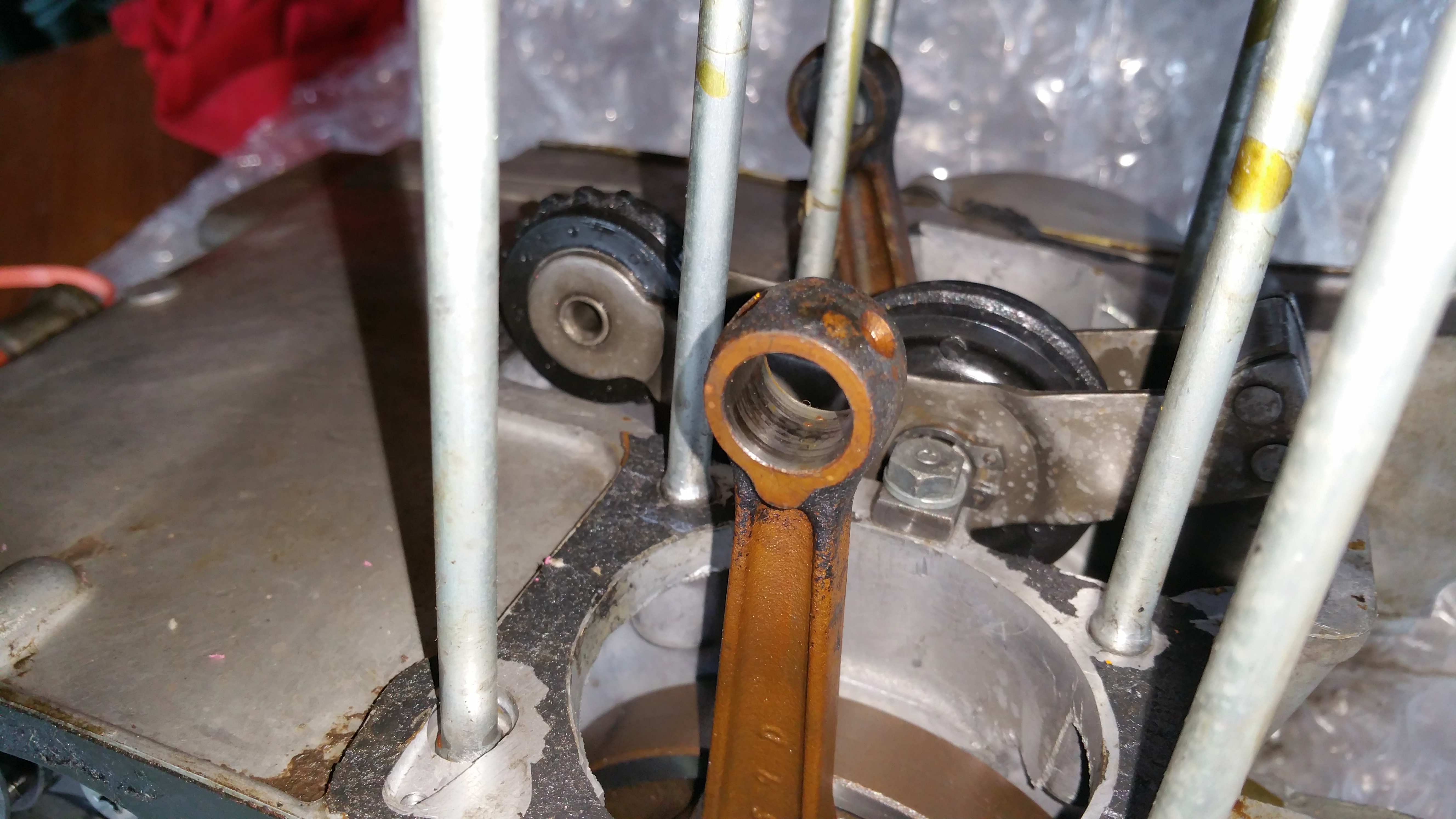
Just a bit concerned about the small ends, lack of oil or piston melt down ? Suppose the engine will run OK with new piston pins fitted.

jI9y7wE.jpg
 
The engine does look good overall, I saw the flat screwdriver slot cut in one of the JIS screw in the left cover (first picture). Remarkable that the drain plug looks so good and almost untouched. The small ends still have some copper color to them, I don't think they've been horribly overheated. The fit of the wristpin will tell you. The small ends on my 4 speed 450 crank look darker than those do but I'm hopeful they're usable, I believe they will be but certainly they've been overheated at some point. Some emery paper should get the marks out of yours fairly easily I'd think.
 
Thanks for those thoughts.

Those chewed up screws in the alternator cover would not budge using a JIS screwdriver and my limp wrists, so I tried a tool I've not used on an engine before. I have a manual impact driver, the kind that you hit with a mallet, also a mighty mains electric impact wrench, designed to undo car flywheel nuts etc. Rips the heads clean off small screws if not used with care, came close to breaking my wrist once as well.

But today, I decided to try my De Walt 18v impact driver. I normally use this for driving screws into wood. I selected reverse, found a Phillips bit that fitted quite well, and was amazed at how easily all the case screws came out. Wish I'd tried this before, great saving in time and effort.

Next issue - cover won't budge. Wooden drift and lump hammer failed so far. Will try heat gun next.
 
Probably rusted knock pins (dowels), I believe there are 2 in that cover. I like my JIS T-handle, but these screws can sometimes be so tight/corroded in that there isn't quite enough leverage to overcome the initial "crack" loose and hitting the T-handle with a small hammer sometimes helps break them free from the corrosion enough to get them moving. I used a small "butterfly"-actuated 3/8" drive air impact back when I worked at the shops for the stubborn screws when the T-handle wasn't quite enough, but it would occasionally break JIS bits when a really stubborn screw was involved.
 
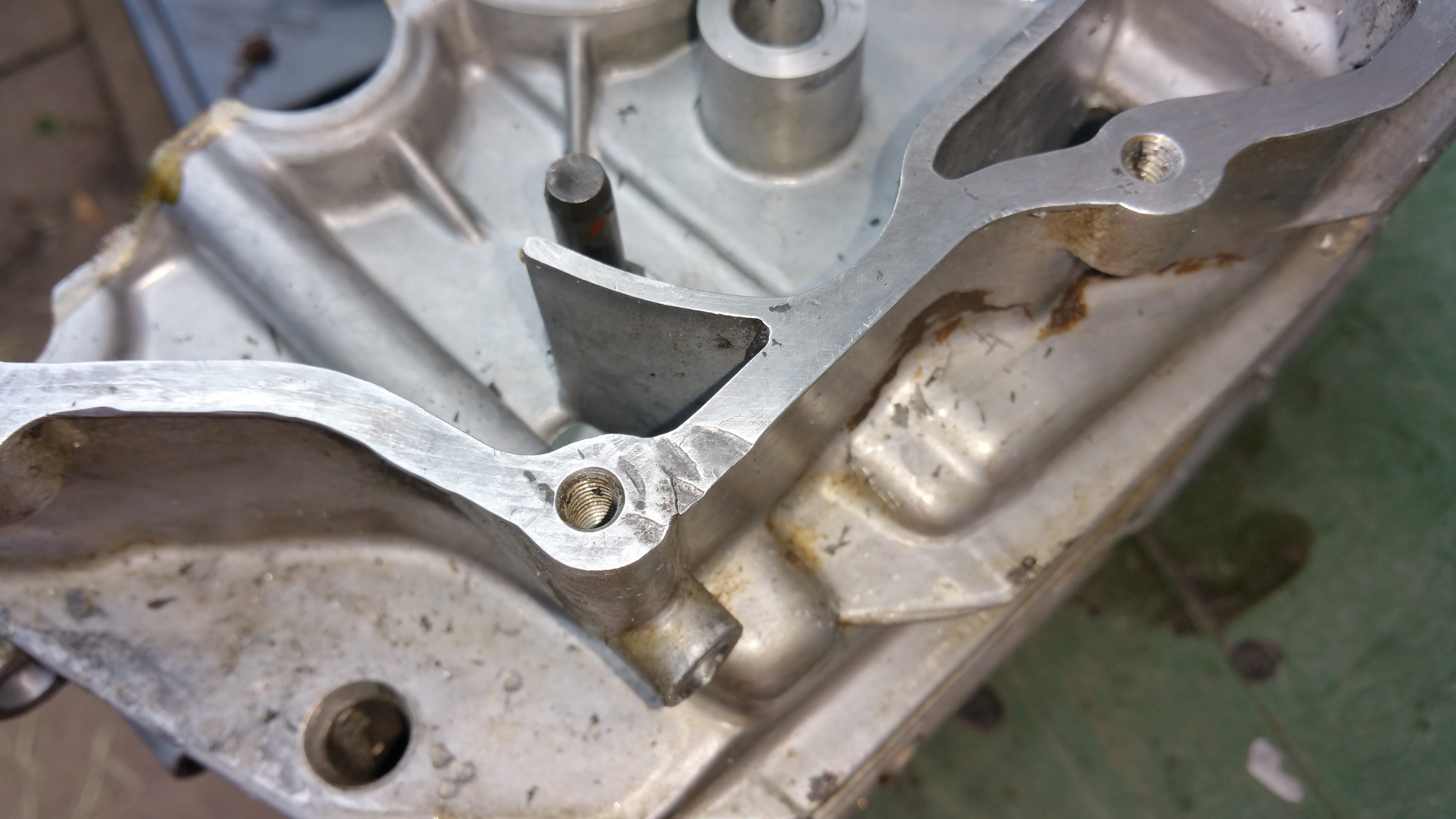
A bit of heat did the trick, cover came off without damage. Pity whoever took off the clutch cover wasn't as careful. Still, a dab of gasket goo should take care of any leak from that area. Looks like Kermit or Gonzo used a pry bar in there.

XjBAZyc.jpg


Used the impact driver to pop out all the case bolts, job done in a flash. Managed to snap a 1/4" nut driver shaft, should have used my 3/8" set. I was expecting a battle with the drain plug but it came free easily using a normal 19mm socket. Engine internals look like new.

9PO1M6L.jpg


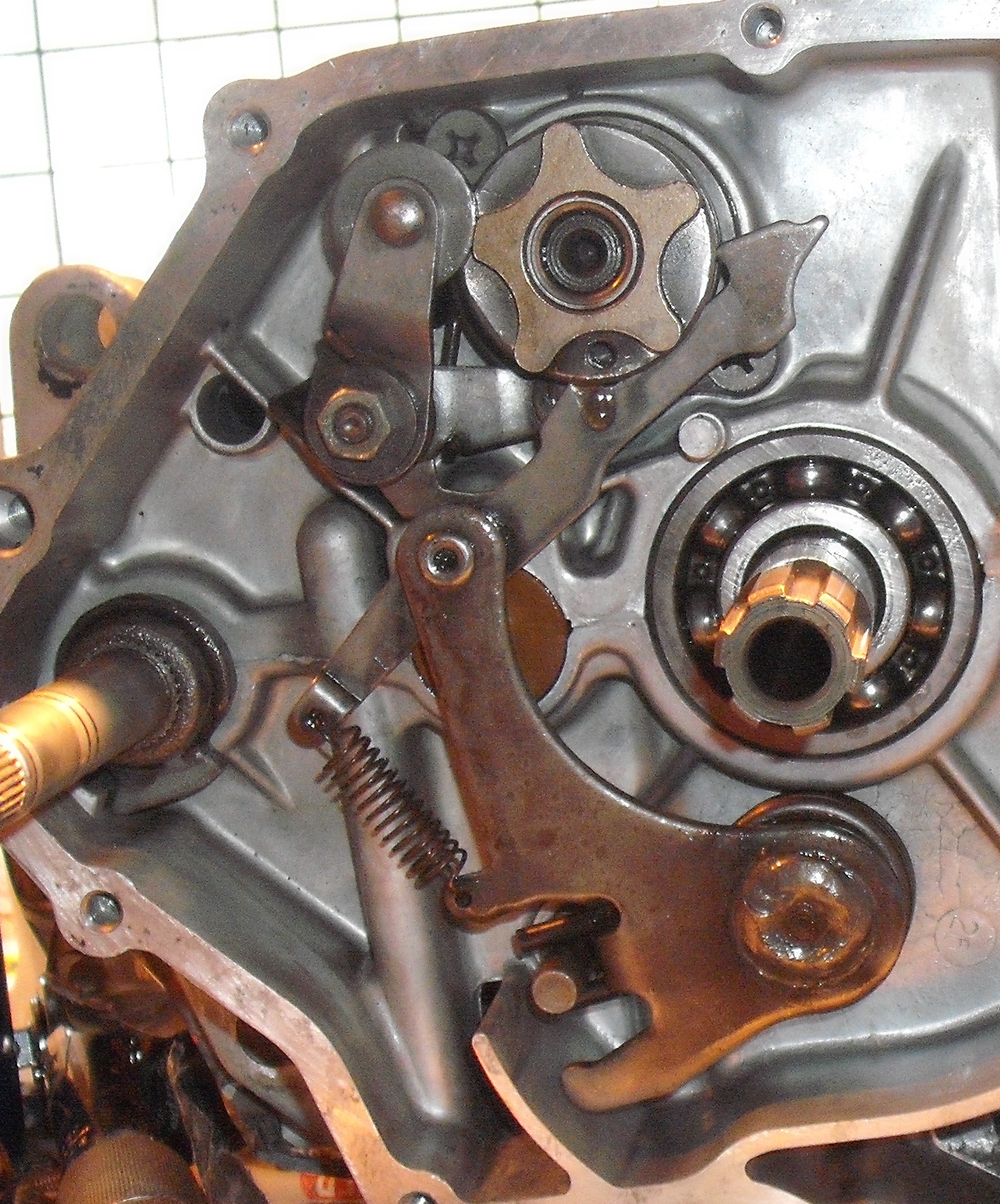
And I think I have partially worked out how the kickstart rachet works. It looks as though the pinion IS pre engaged, and spins freely with the ratchet retracted when the engine is running.

wCzQ1Nj.jpg


When the engine is off, ratchet is engaged to turn the engine over via the kick start. Quite how this all happens is still not quite clear to me, if anyone has a better explanation I'd be glad to read it. But it does seem to be a less damage prone assembly.

eBX0ggB.jpg
 
Engine internals look great Richard, you made a good purchase. Sad about that hideous gouge, it always amazes me that some use the "don't force it, use a bigger hammer" theory.
 
Thanks, yes I'll probably do that, although I think my photo makes it look worse than it actually is.

JB Weld is marvellous stuff. I renovated a CB175 engine some years back, the outrigger that supports the centre fixing of the sprocket cover had been snapped off. I made a new part from aluminium bar and stuck it in place with JB Weld, still there today.
 
Got the engine back into the CL this afternoon, actually dropped into the frame easier than it came out. Mostly back together now, just the exhausts and footrests, swap the Charlies ignition over and set the timing, battery and fuel tank, should be good to go. In theory.

Wasted some time with the drive chain. I originally removed it by taking off the gearbox sprocket. Chain seemed to have shrunk over night, too tight to just slip the sprocket back on, had to faff around with the split link, couldn't then get the ends close enough to join, so had to slacken off the adjustment, then retension once back together. Packed it in for the day after that.
 
Probably ought to be in my CL175 thread now, but I'll leave it here for now.

CL engine back in CL frame now, all buttoned up and running again. A couple of issues. The neutral light lamp has blown for the second time, hopefully just coincidence, nothing sinister. And there is a ticking noise from the front of the cylinder head, fingers crossed that that is simply because I neglected to fit new crush rings in the exhaust ports.

Also need to check that it's charging correctly, CB360 stator fitted.

Once I've sorted the above I can get on with cleaning the SL engine parts etc.
 
Various oil seals, gaskets, new case screws etc etc arriving daily now.

I now have a life times supply of ThreeBond1184. My little tube, bought five or six years back, had leaked a bit through careless storage, so I thought I'd better get some more, rather than not having enough at the crucial moment.

Onto Ebay. The only tubes available over here were three times the price of ones in the USA, but once shipping was factored in, no difference. So I ordered from the UK supplier.

Discovered why it cost more, massive 200g tube, sufficient for an entire production line of Honda crankcases ….
 
That's curious, I haven't looked that hard for any other size over here but all I see are typically small tubes of it like other sealants. Problem for me was that mine got hard in the almost 5 years since I used it on the 450 bottom end, despite being capped up properly. Had to buy a new tube in preparation for the next 450 bottom end I'll be putting together, seems a waste because I'd literally only used about 20% of the other one.
 
I've had tubes of silicone sealer last longer even without any additional precautions. I just don't use the stuff often enough, I really shouldn't expect it to last 5 years without an additional protection I guess.
 
Got the part engine stripped down, and everything is cleaning up nicely.

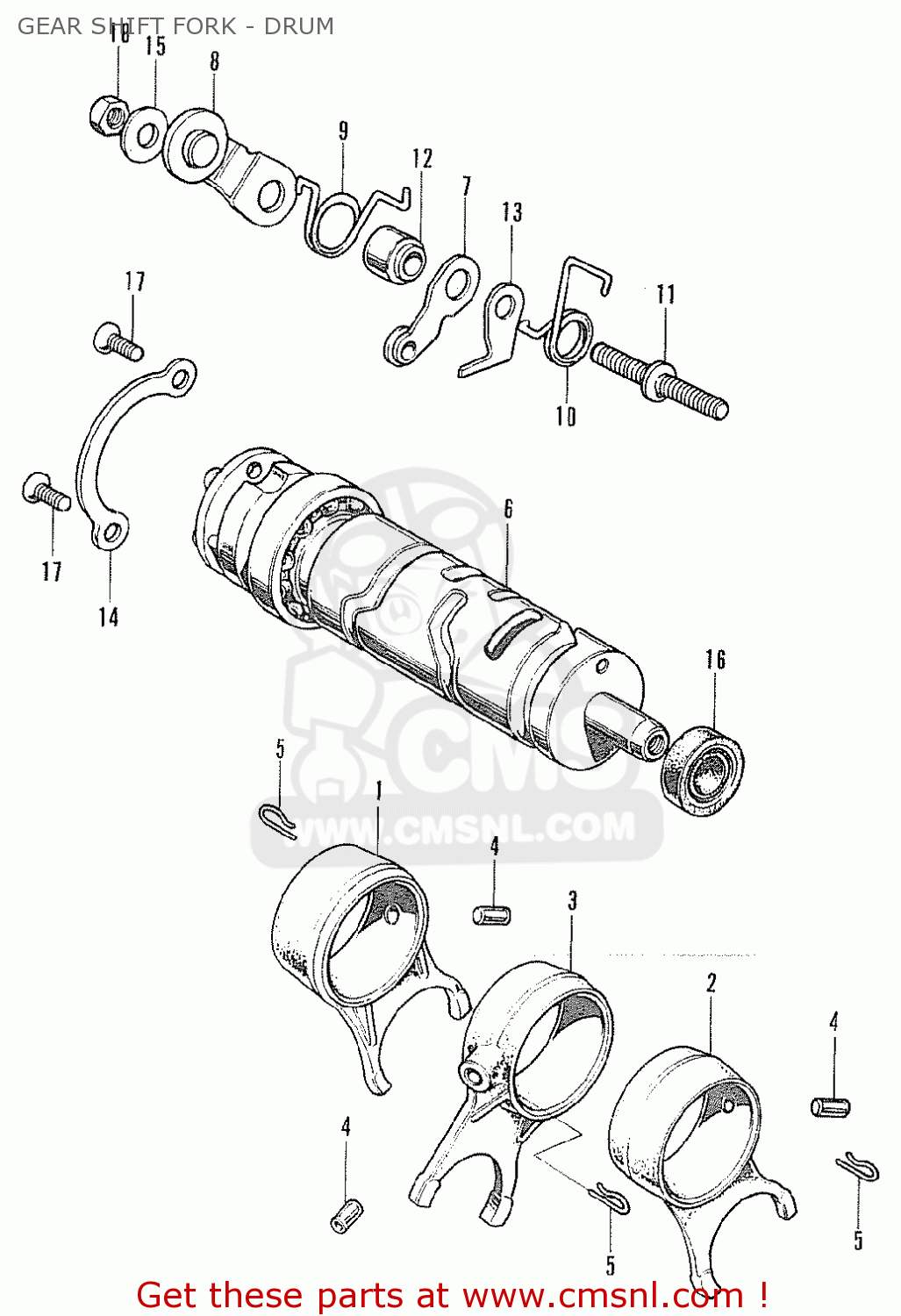
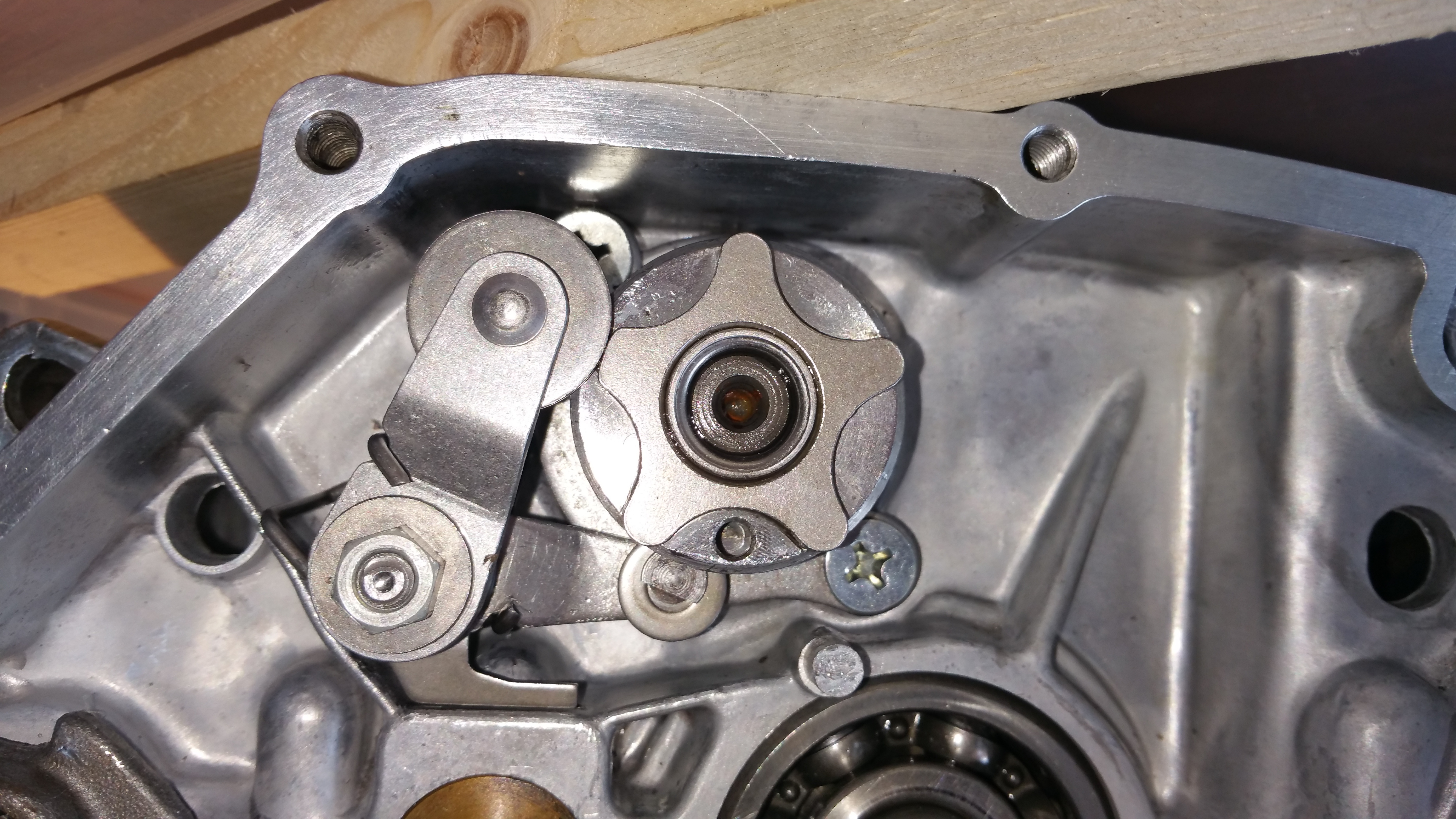
I just hope I haven't gone a step too far, by disassembling the gear selector drum stopper mechanism, parts 7 - 18 in the diagram below, two very strong springs to wangle back into position, looks like I'll have fun getting that back together.

W1IIGrO.gif
 
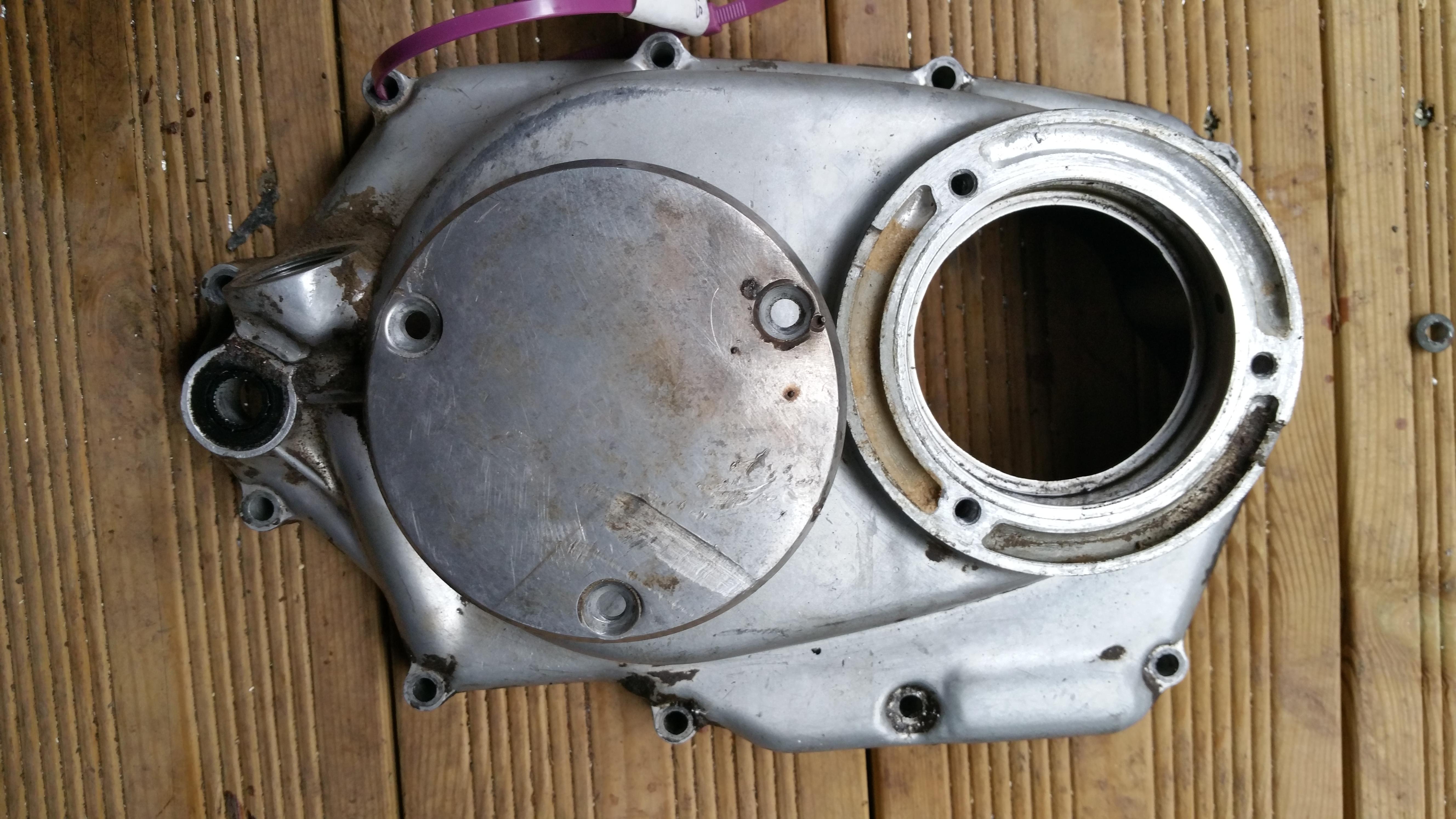
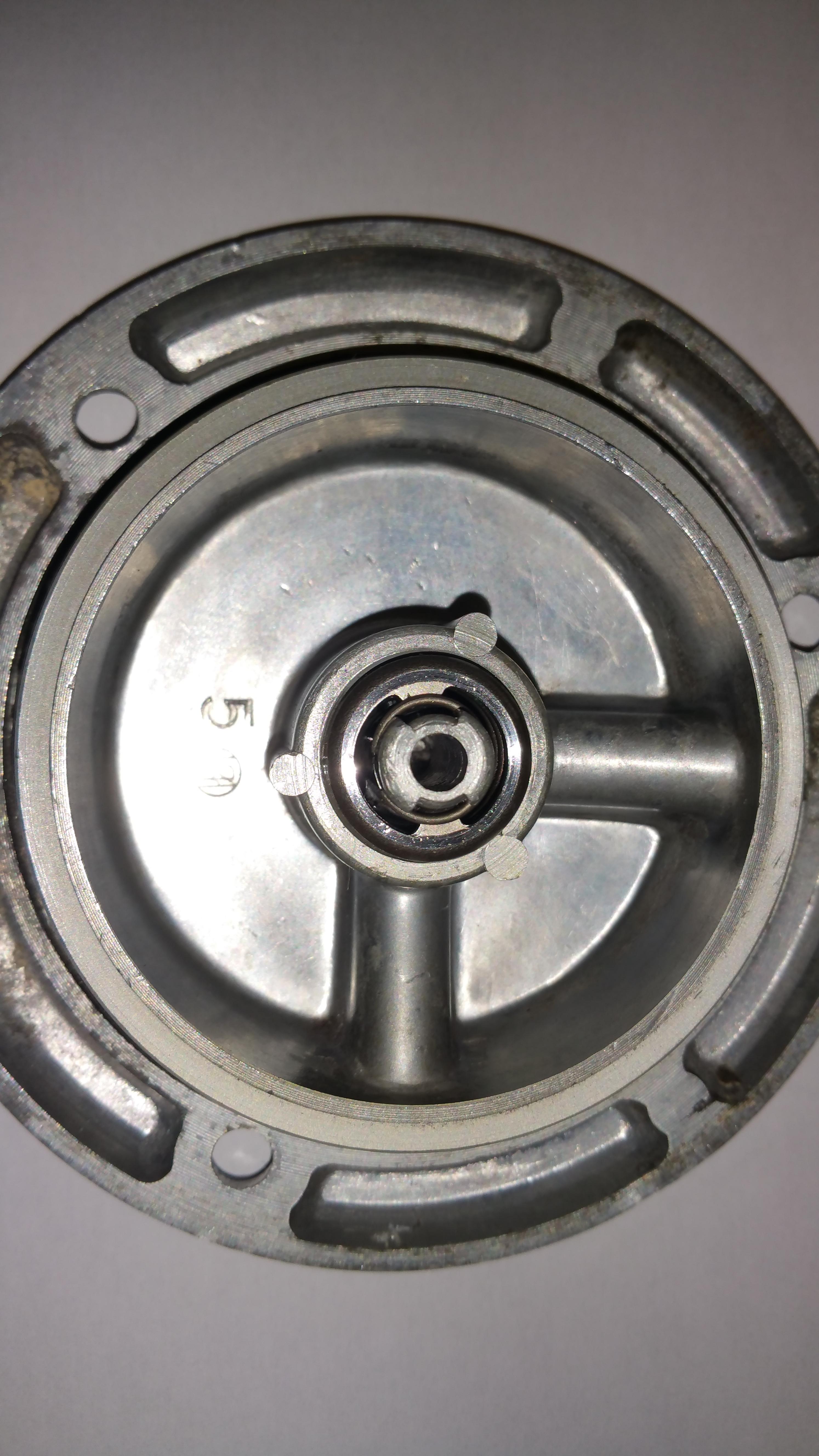
I bought this engine side cover the other day, with a view to trying to understand how the oil transfer piece modification works. Case looked good on screen, unmolested case screws should come out easily, famous last words !

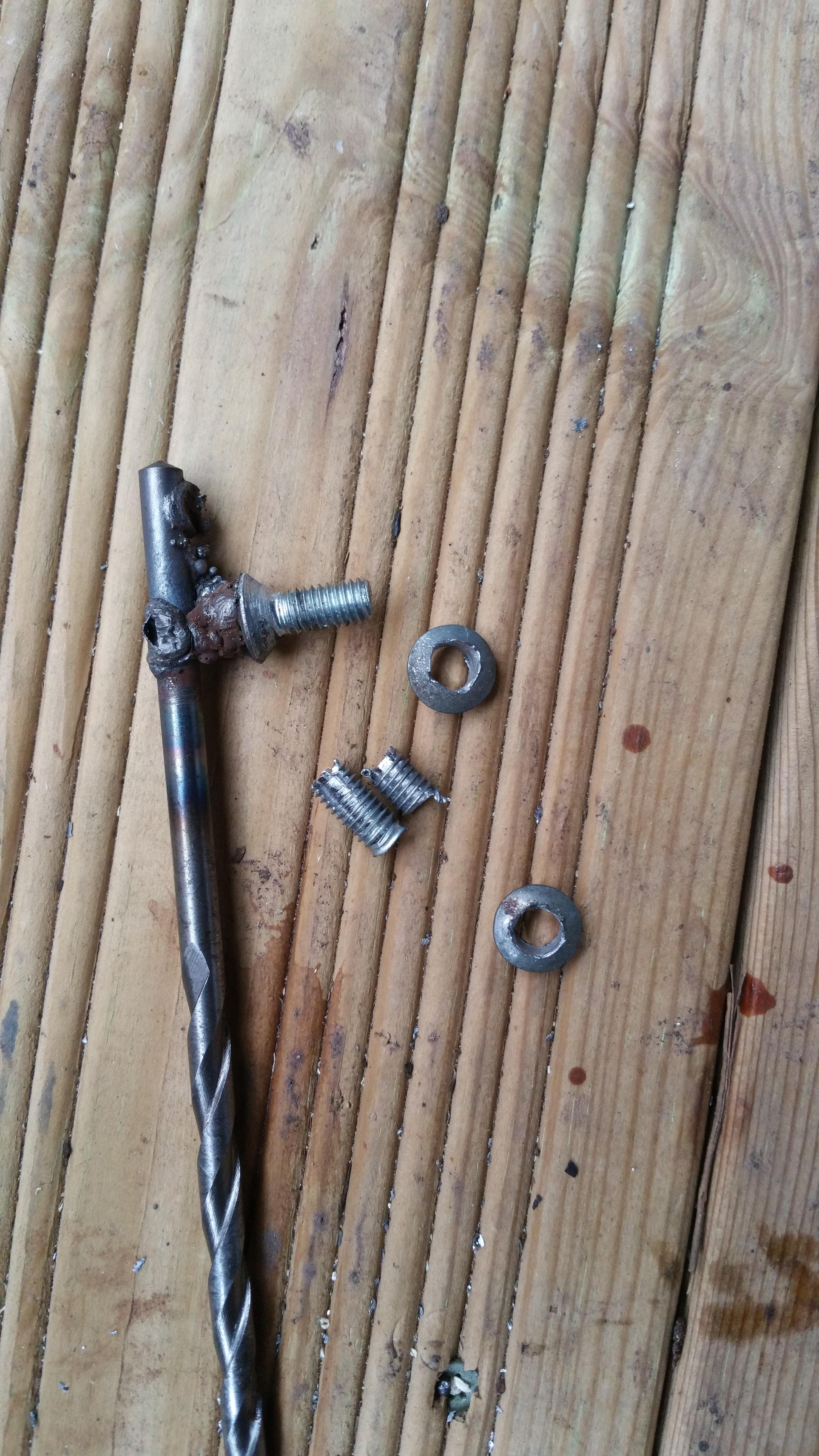
My Vessel JIS driver wouldn't touch them. My battery powered DeWalt impact driver, that I'd praised so highly the other day, just rattled impotently. Manual impact driver and lump hammer also failed. So out came the Clarke mains power impact driver. This ripped out the cross piece of the first two screws, no problem, I'll drill those out. M4 bit to take out the core of the screw, M6 to take the head off.

On the third screw, the tip of the cross headed bit snapped off, and embedded itself immovably in the screw head, making drilling impossible.

1MqWv0W.jpg


I got the welder out, and built up a lump of weld that I could grip with vice grips. That didn't work, so I welded an old drill bit on, and this gave enough leverage for the screw to let go. Once the cover was off, the drilled stumps of the first two screws wound out easily enough.

GPonkqH.jpg


All very satisfying.

2MwQu9p.jpg
 
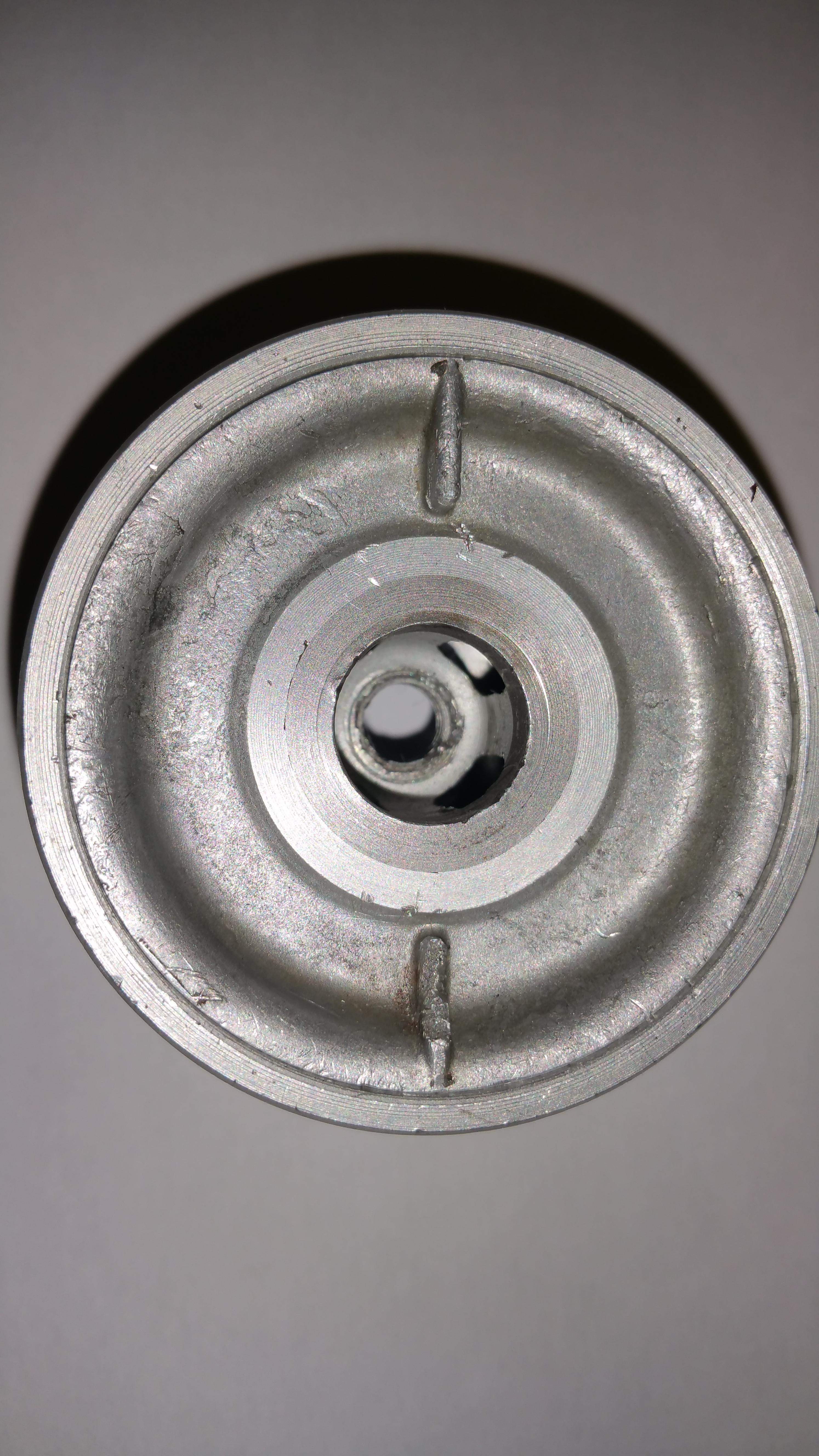
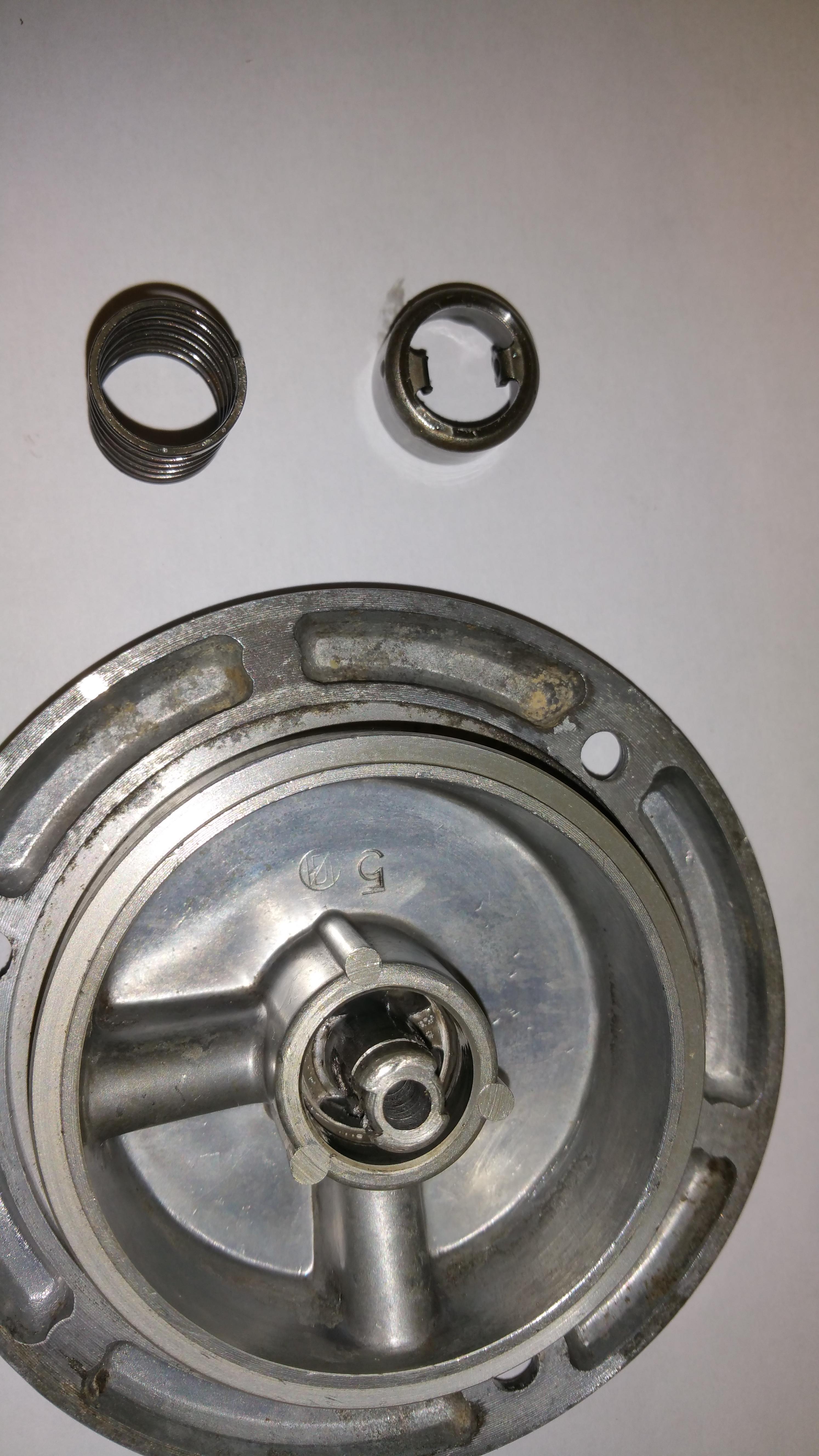
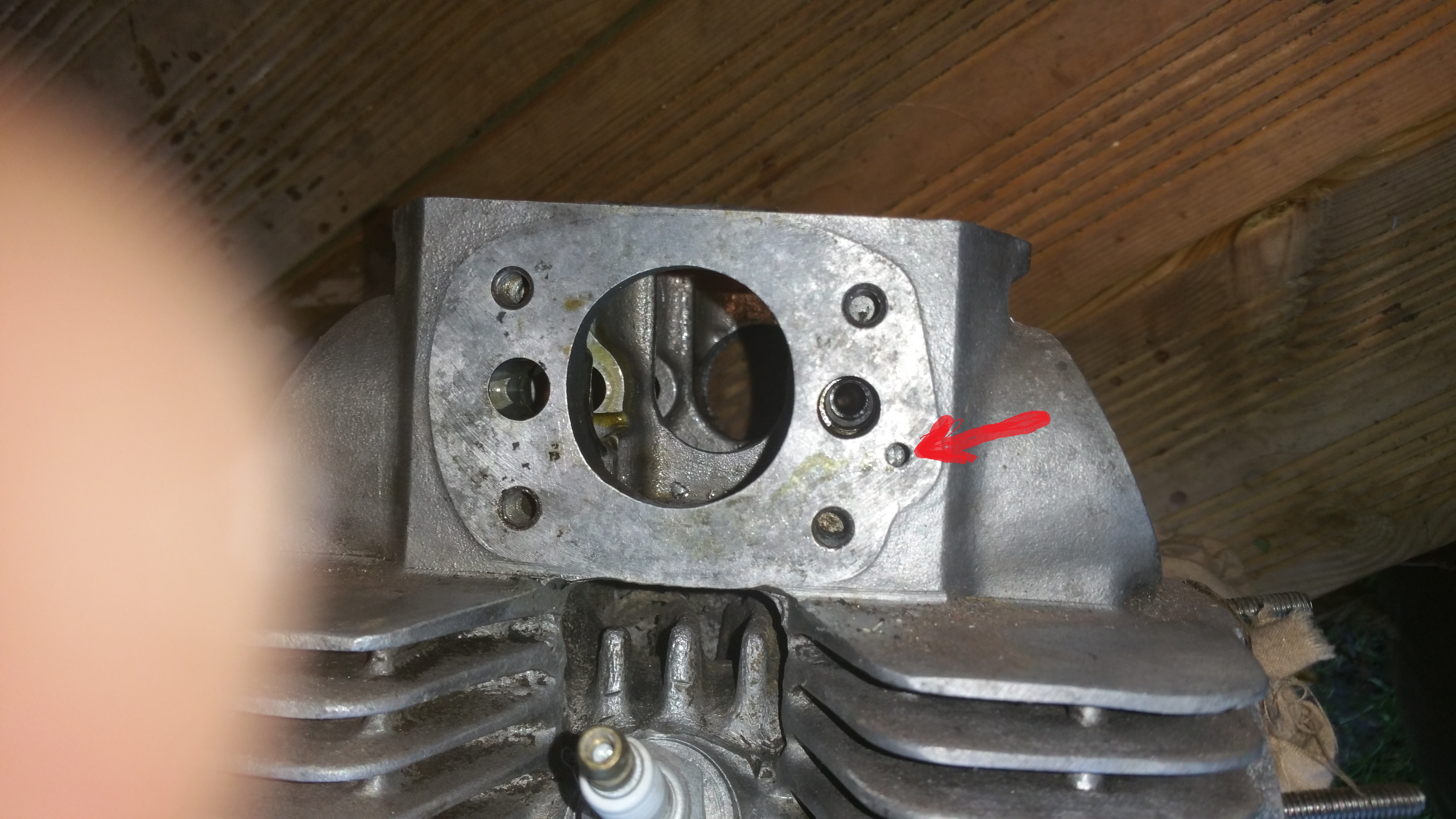
Got the case cleaned up this afternoon, then had a look at the oil transfer piece. It all came apart very easily, just flicked the circlip off using a jewellers tint screwdriver. Now, I know this sounds like heresy, but so far as I can see using my mk1 eyeball, the total area for outgoing oil looks to be at least as large as the hole that incoming oil arrives through, and I'm inclined to leave well alone. After all, Honda have obviously gone to some trouble to balance the oil flow through the engine, thinking about that tiny hole in the upper crankcase that supplies oil to the left hand cam bearing on the 175 engine. Very tempting to shove a 2mm drill bit through there, but then you might rob oil from the other side perhaps.

Guess I'll need think this over, in the worst case, what harm could it do....

S5MVxZn.jpg


rhwtZ90.jpg


2ORQWlH.jpg
 
I'm fairly certain the Honda engineers took the amounts of oil flow to any and all specific areas into account when determining orifice sizes, passage diameters, and flow portal openings......

For that reason, I choose NOT to attempt to improve flow in one area, knowing it could adversely affect another area's oil supply......

The fact these engines can and do run after 60-odd years is sufficient evidence they got it right originally....... JMHO.....
 
Thanks, that was my gut feeling, so far as the 175 engine was concerned.

And then Honda decided to change things for the worse with the CB200. Larger pump ( lower revving engine ?), but only a single oil feed to the right hand side of the top end, left side lubricated by oil feed through the cam, crank case cover has to be removed to clean oil spinner. Extra 200ml of oil can't be a bad thing, but I seem to have read several accounts of failure of the left side cam bearing. Design less tolerant of neglected oil changes and filter cleaning ?
 
I got the gear selector drum stopper mechanism back together, after a bit of head scratching.

iyto2d9.jpg


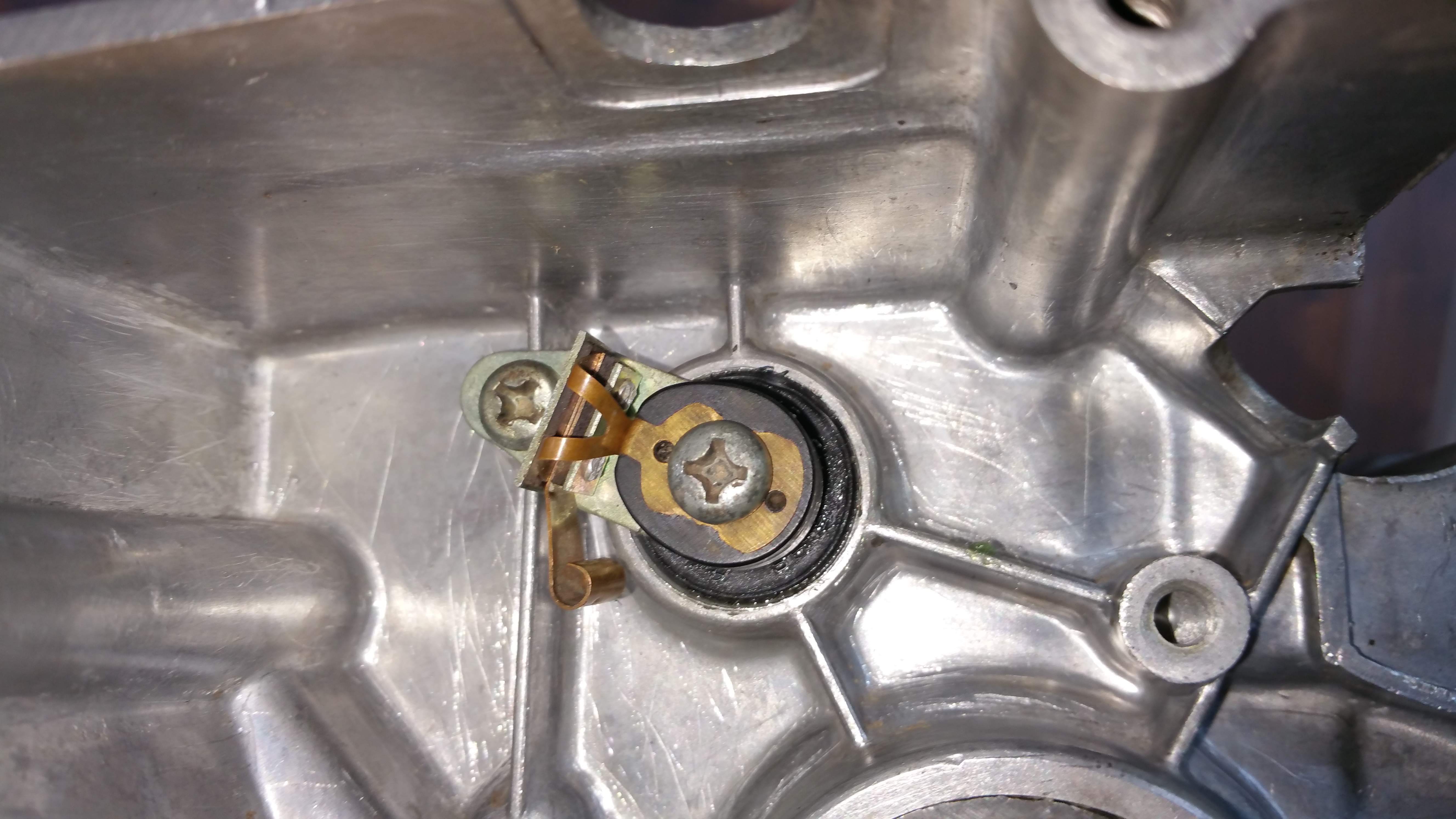
On the other side, fitted a new oil seal followed by the neutral light switch.

zbSWIwa.jpg


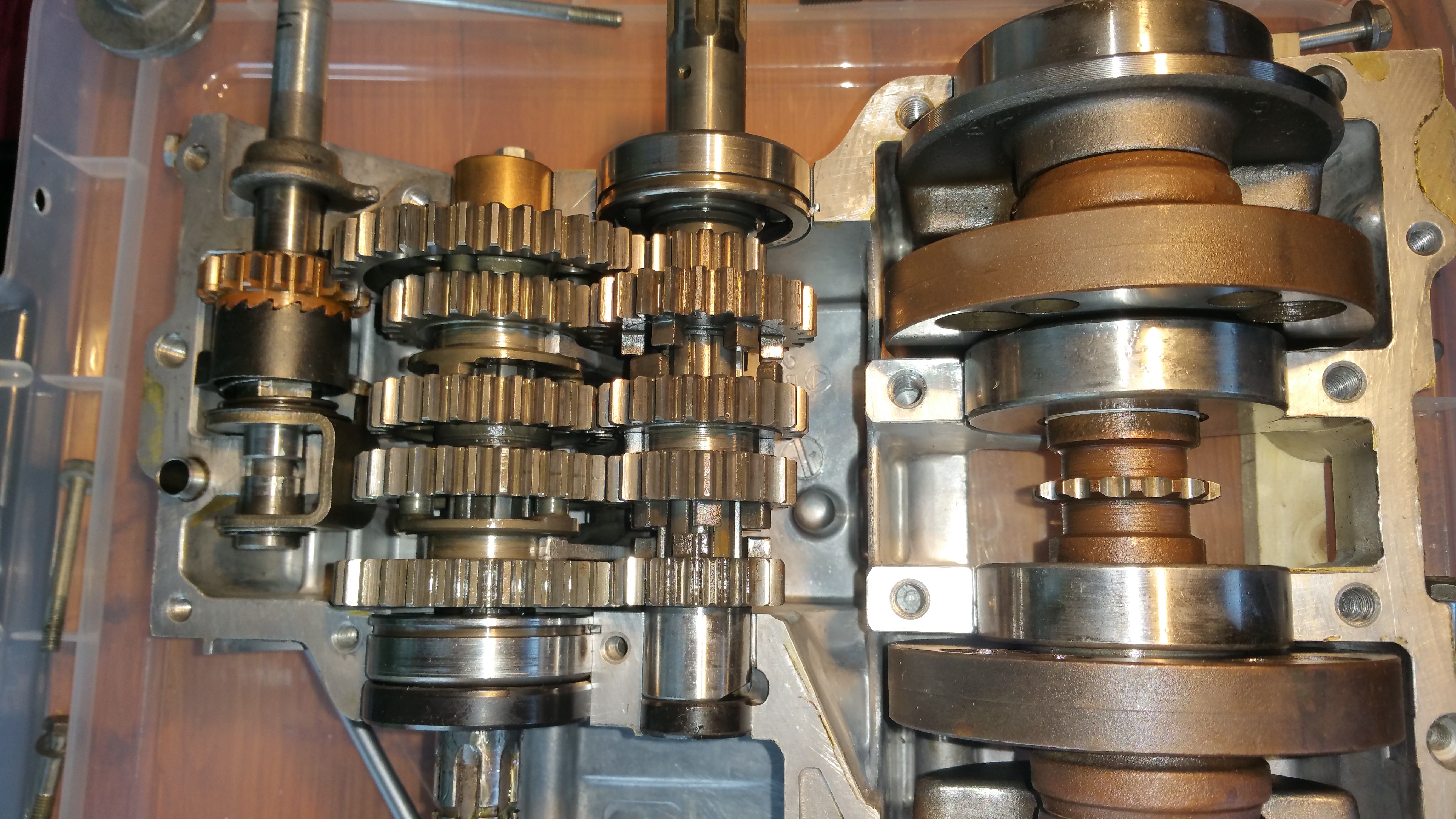
Then placed the cleaned gear clusters and crank shaft into the top crankcase, remembering to fit the correct dowels and bearing locators first.

7AqrIoS.jpg


Bottom case mating surfaces got a thin coat of ThreeBond, applied with an artists brush. The cases are such a close fit, hardly any sealant is needed. I've seen a horrific Utube video of some muppet applying a thick bead of bright red silicon RTV to his case halves, bet his engine worked well after that !

All buttoned up and torqued, no starter cable clips to worry about on the SL variant.

5Vzoncn.jpg
 
Clutch cover temporarily fitted to keep the dirt out of the engine.

Fwe9oXa.jpg


On the other side, new output shaft and clutch pushrod seals went in while the engine was split.

Tcdd0mF.jpg


Stator and clutch lifter refitted, awaiting grease before bolting up, not forgetting that ball bearing !

UfxB93L.jpg


Next job is to remove clutch and oil pump etc from other engine.
 
It does make the reassembly work so much more pleasurable, having clean hands at the end of a session. Just like the photos in the Honda FSM, immaculately turned out technicians. Unlike the Haynes manual, mechanic with filthy hands working on dirty engine parts. Just like me in the bad old days ...
 
Just like me in the bad old days ...

Reminds me of me when working on my friends' bikes while still in high school, most of their bikes weren't the cleanest and what was done with the engine in the frame wasn't always the cleanest. My father's backyard shed didn't even have a parts washing tank, we just used a pan and (usually) gasoline or kerosene to wash the parts. Environmental nightmare in those days, and lots of dry skin. I grew up pouring waste engine oil into a hole dug in our yard far away from any plants or our well.
 
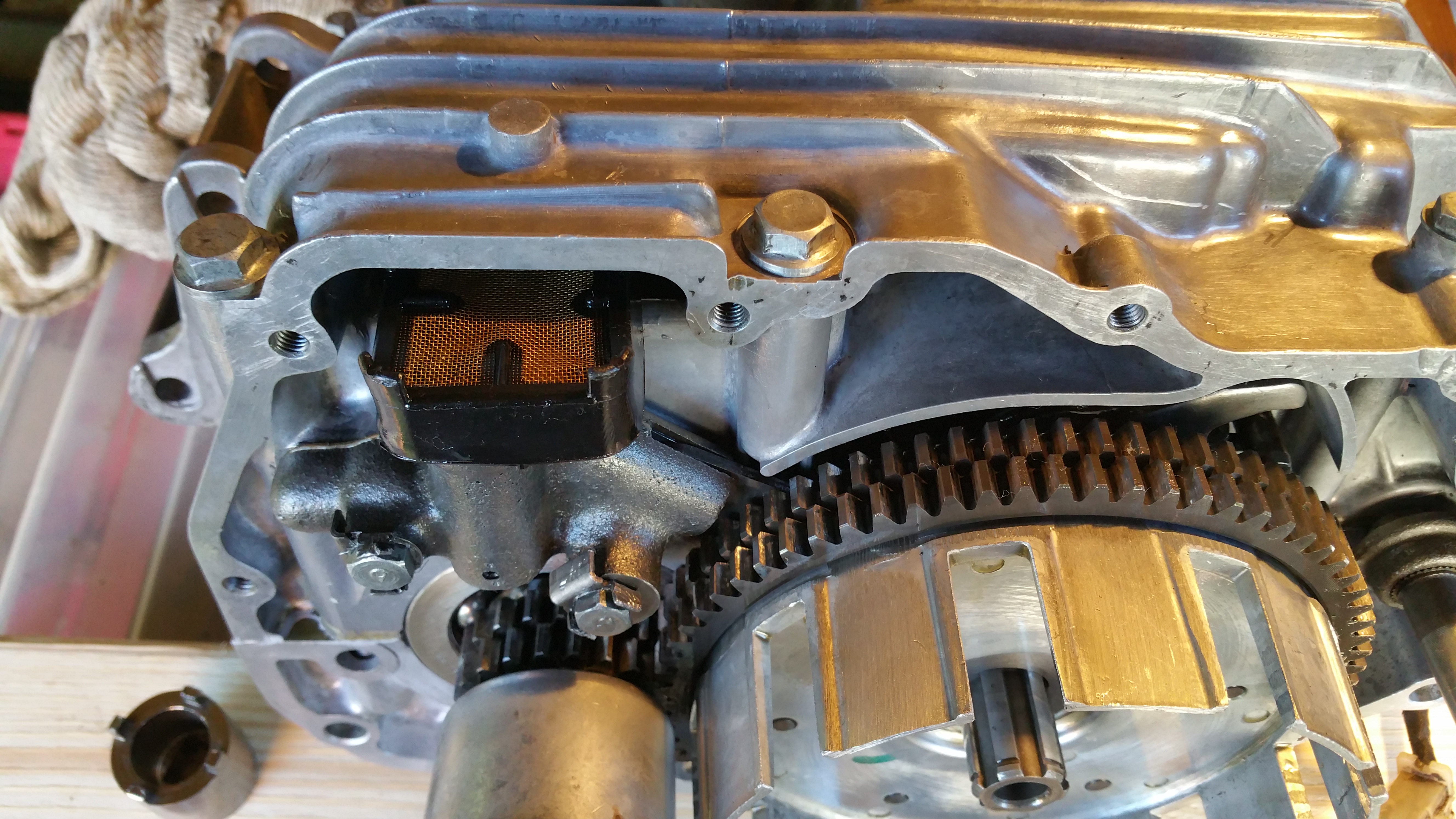
No pictures today. Retrieved the clutch, oil pump and primary gears from the CB175 engine. Used my mains power impact wrench to undo the oil spinner nut, span it straight off, no need to jam the gears. Used the special 4 pronged socket of course.
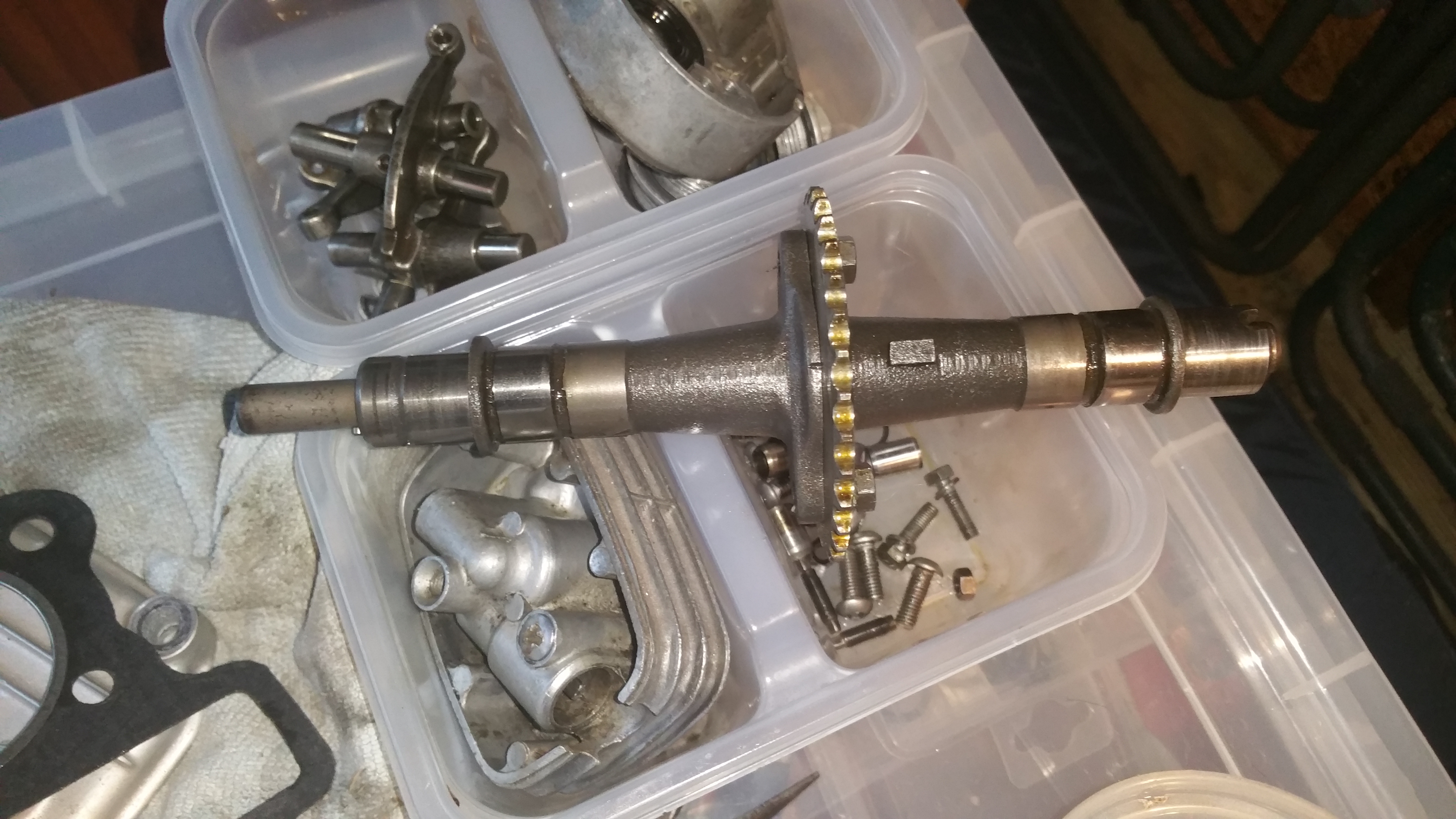
One odd thing. Once the retaining circlip is removed, over by the drive sprocket, the gear selector shaft should pull out easily. Mine was so stiff I had to gently drift it out. Shaft doesn't appear to be bent, some slight corrosion ( white, not rust ) at its mid point. Gear selection was working fine on this engine, can't think what the problem was. Partially seized inside the hollow gear box shaft I suppose ?

I did get my hands dirty this time. I use Scott Oiler oil to lube my chains, and it works its way out from the front sprocket cover all over the bottom of the engine. I really should have given it a clean before I started work. I'll get this done before I store the engine as a spare.
 
I got the bottom end of the engine finished today. The gear change rod slid home easily, too easily as it turned out. Clutch and oil pump went in, kickstart spring, job done. Oil spinner, crank nut tightened, lock washer bent up.

Except I'd left out the clutch lifter mushroom thing, so clutch plates had to come back out again.

Doing all this under the shelter that I built in the summer.

kk9nbcX.jpg


Forgot the washer and circlip on the gear change shaft, so left hand cover had to come off again. Anyway, all done now,

GbBggmU.jpg


The oil filter screen needed a good clean out, quite a lot of unrecognisable soft debris in it.

wIYCe6e.jpg
 
Cylinder studs removed, or through the slatted table? Nice little spot in the yard to do some stand-up work.
 
Studs removed. They came out easily using 2 nuts locked together, a deep socket and the DeWalt battery impact driver. Makes storage easier, also good access to clean gasket face.
 
Todays episode involved stealing parts from my CB200 engine. Had to remember how the cam came out, got there in the end.

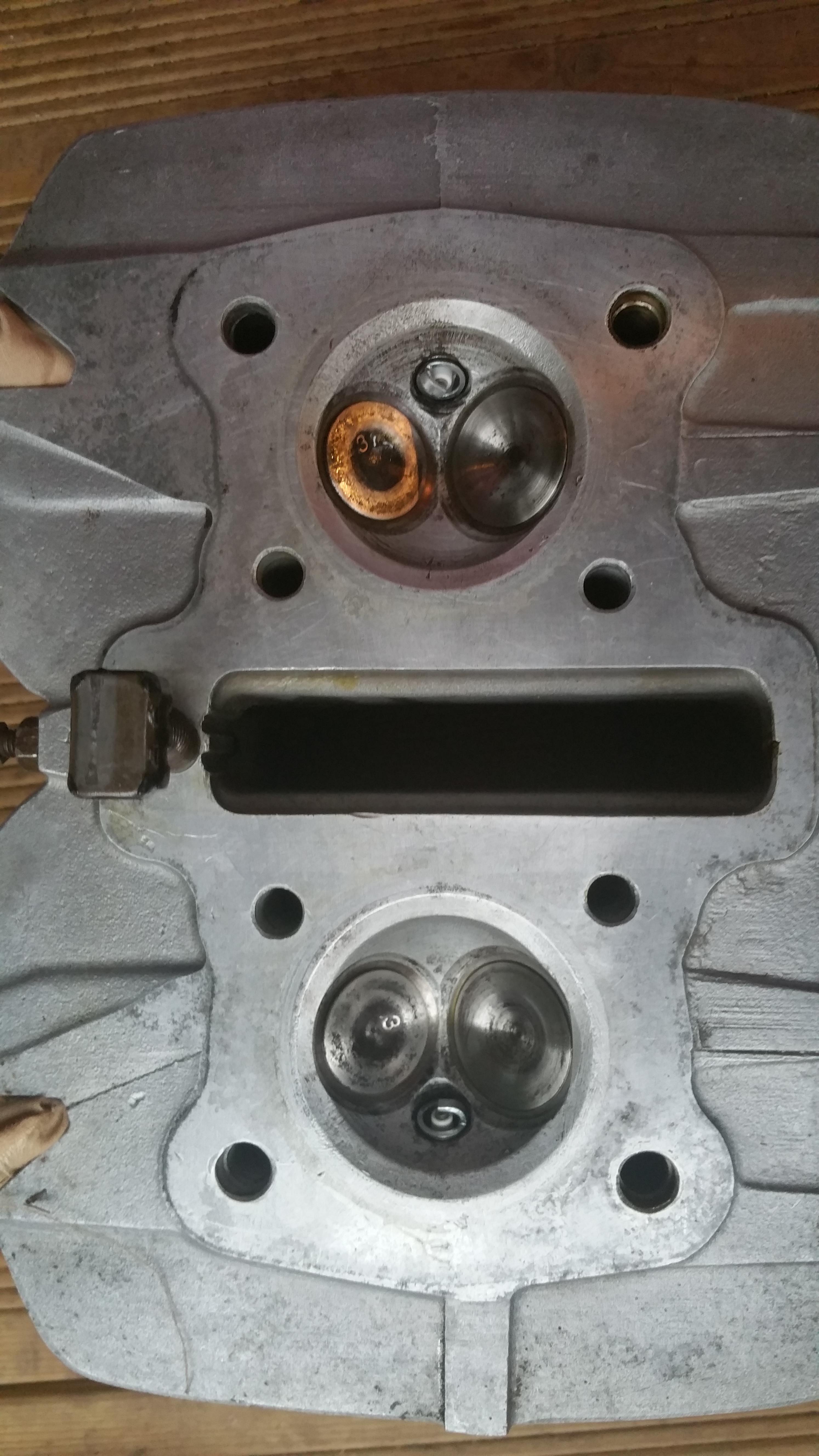
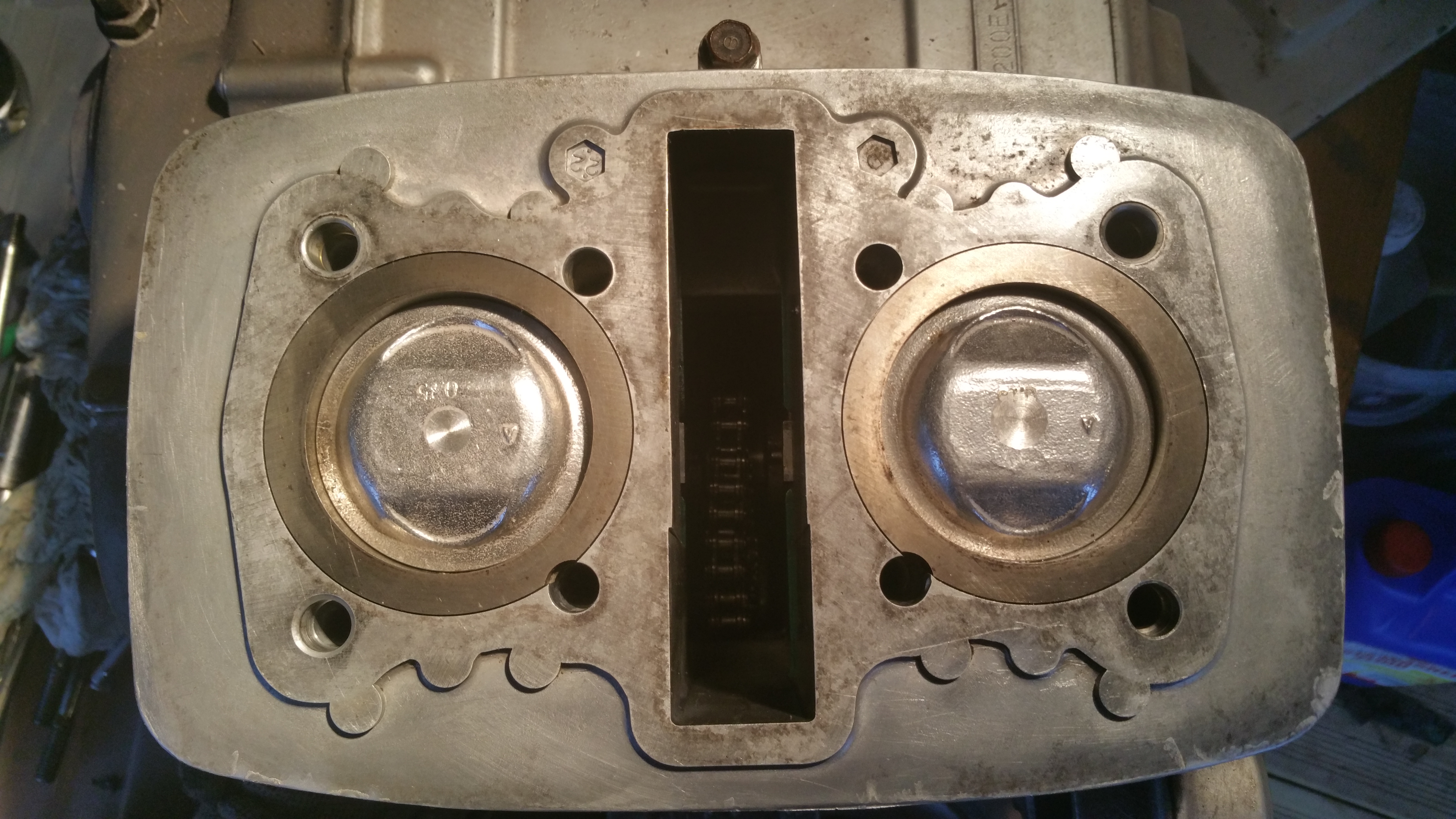
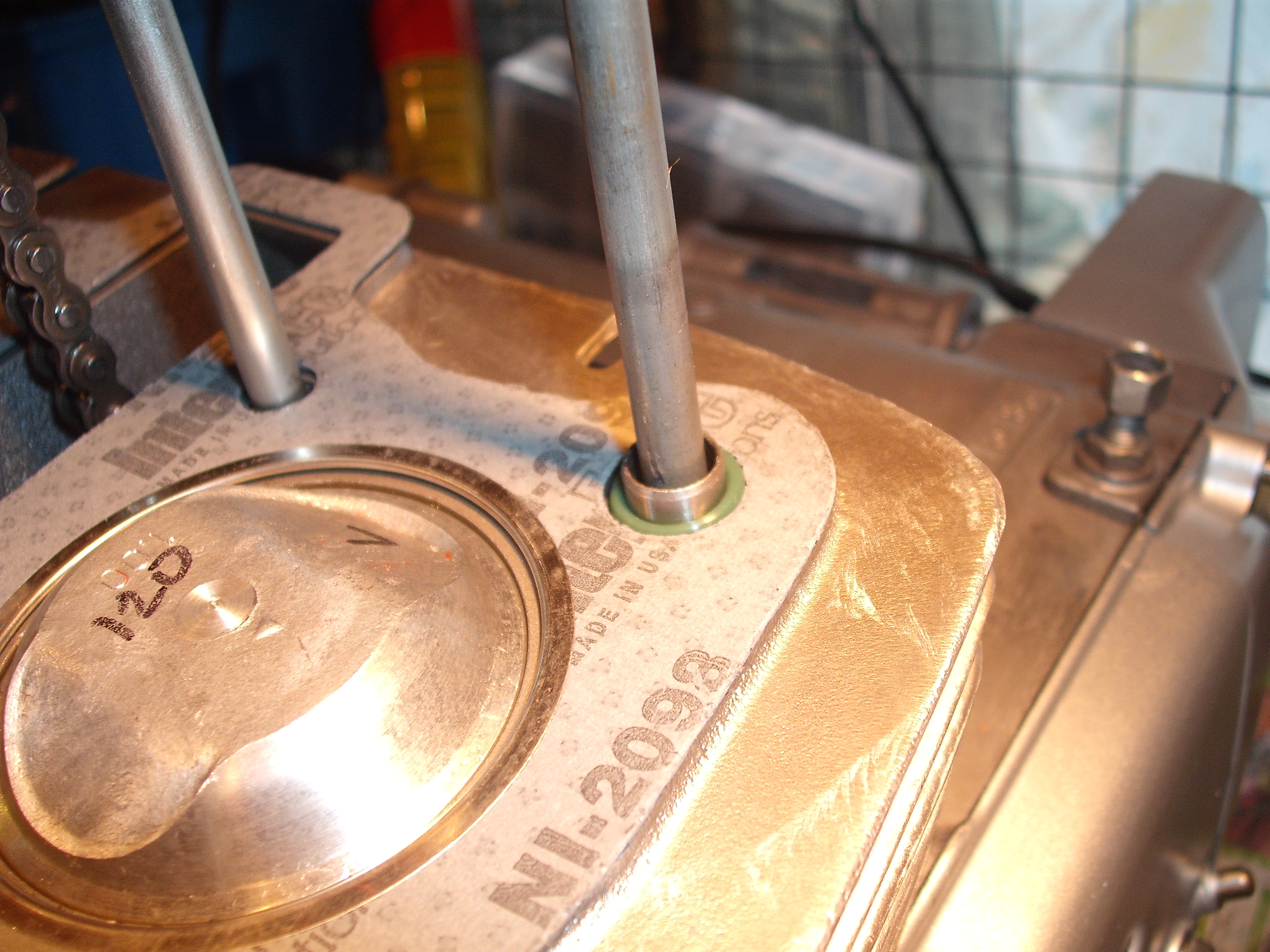
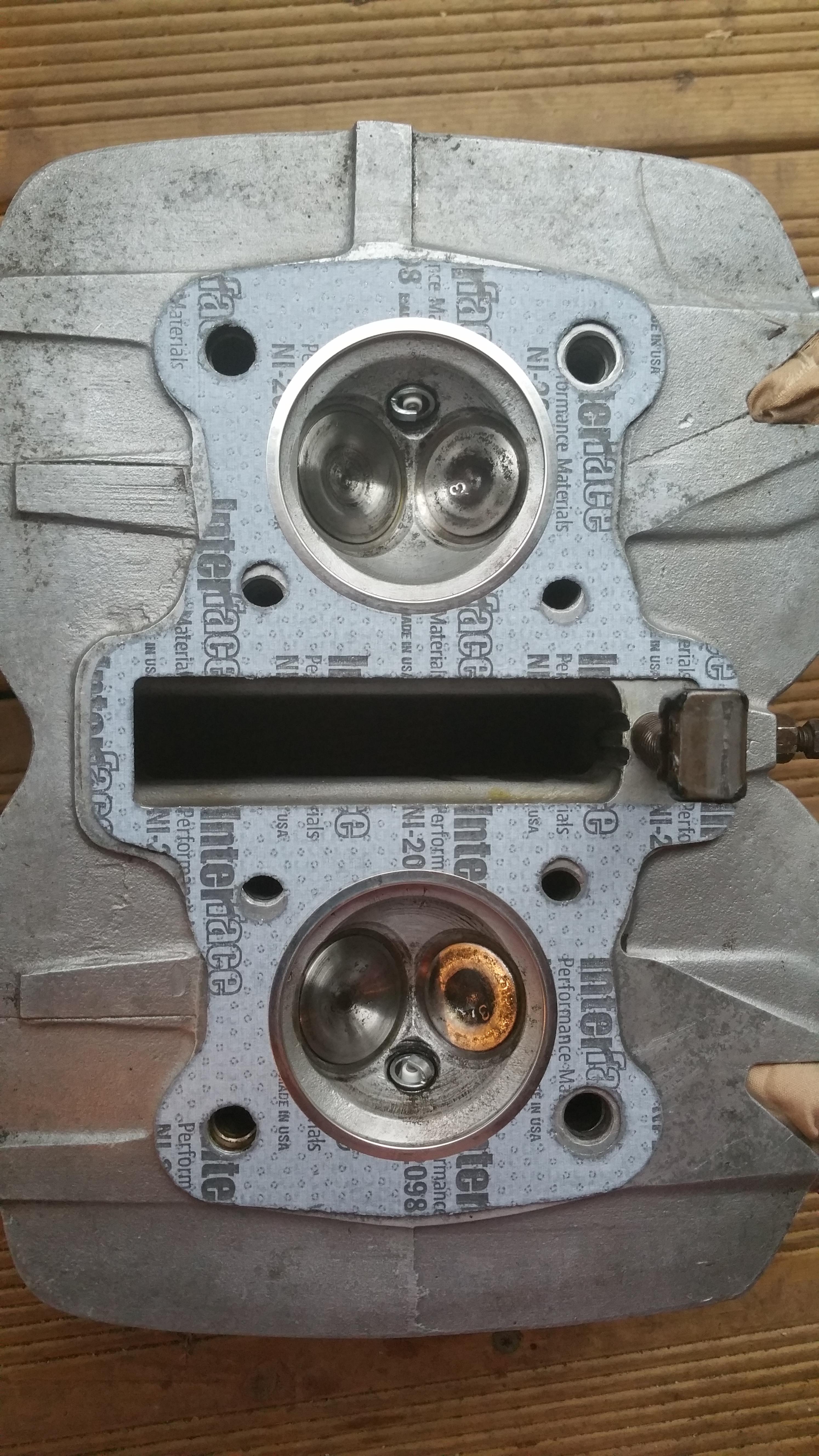
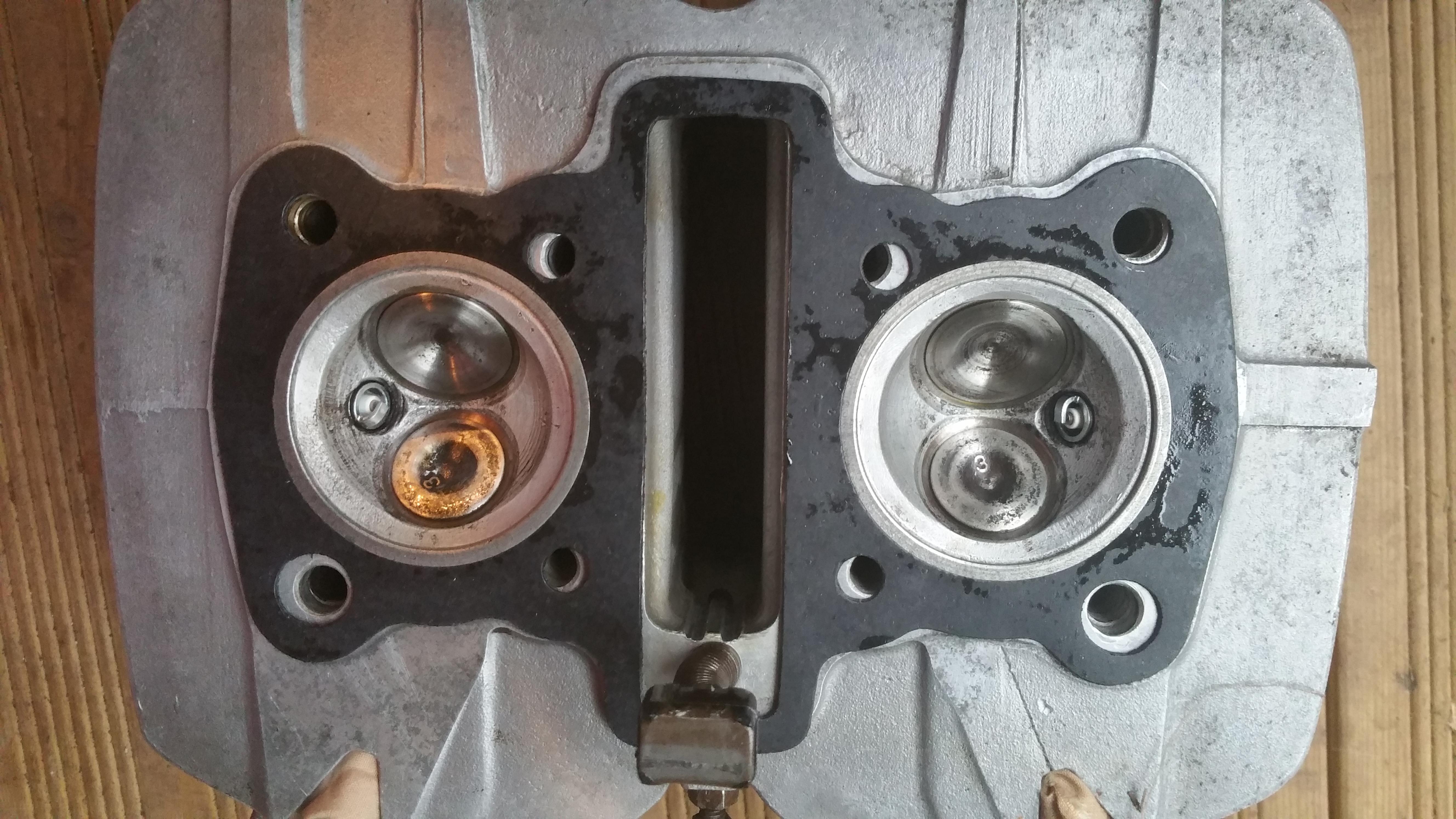
Offered up a 175 head gasket to the 200 head, relieved to see that it lined up nicely with the edge of the combustion chamber. 200 head gasket sealing ring diameter is larger, to align with the 200 cylinder.

GDquVUN.jpg


175 gasket

Xq64Dk4.jpg


200 gasket

QVuNVFe.jpg
 
That head looks to be another victim of slacker maintenance, cam chain grooves in the tunnel
 
This is the Capellini timing chain tensioner idler wheel that I'd fitted to the CB200 engine. I'm going to fit this to the 175 tensioner assembly, which is different to the 200 item, but uses same smaller idler wheel.

jTeEtHx.jpg
 
This is the rebuilt CB200 engine that I never got around to starting up. It's had a 1mm oversize rebore, but the piston kit I used was labelled 'Bailey'. I was not really happy with it, mainly because the piston pins were a tight fit in the small end eye, but loose in the piston, reverse to the usual situation. I discarded the Bailey piston rings and fitted genuine Honda +1mm rings. Ideally, genuine Honda pistons and gudgeon pins ought to be used

nLpaZJ8.jpg


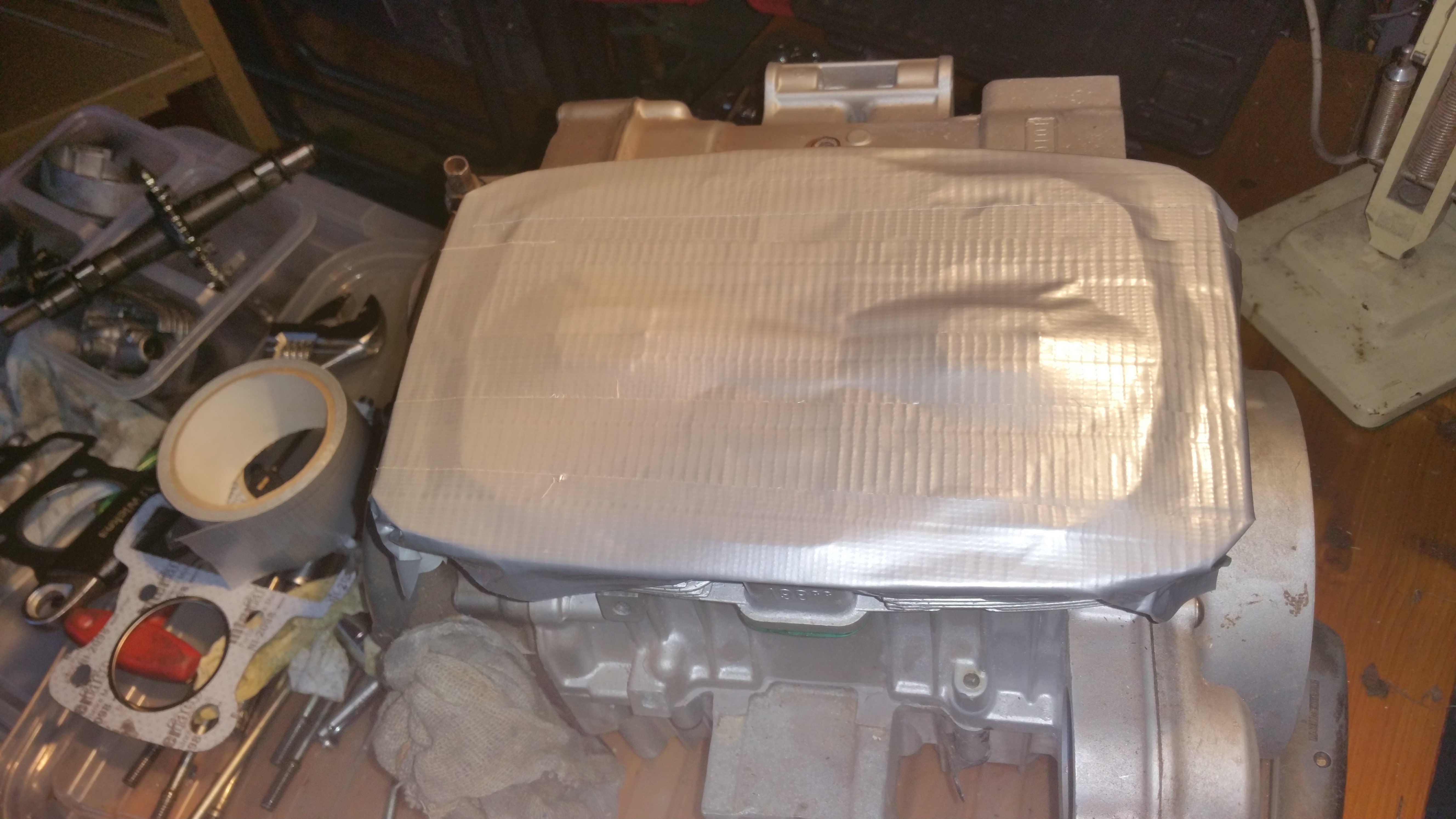
I've removed the cylinder studs and sealed the cases with gaffer tape, tucked unit away in the shed spare parts stash.

dYQ7Jau.jpg


A reasonable CB200 cam amongst the parts removed

4t2V1fU.jpg
 
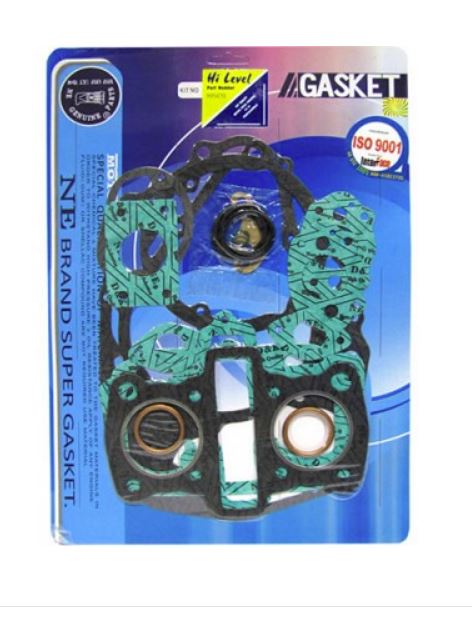
Forgot to mention. PatternCB175 gasket set from David Silver. The included oil pump gasket doesn't fit, mounting holes don't line up. Rest of the gaskets seem fine.
 
Forgot to mention. PatternCB175 gasket set from David Silver. The included oil pump gasket doesn't fit, mounting holes don't line up. Rest of the gaskets seem fine.

Interesting. I've never bought gaskets from them, often wondered how their aftermarket gaskets were.
 
Forgot to mention. PatternCB175 gasket set from David Silver. The included oil pump gasket doesn't fit, mounting holes don't line up. Rest of the gaskets seem fine.

I would NOT use either of those two "pattern" head gaskets without some serious trimming, probably not at all.....
The stud holes of correct gaskets all align simultaneously centered on the studs, and extend/project/cover more of the area behind the cam-chain galley.....
 
I would NOT use either of those two "pattern" head gaskets without some serious trimming, probably not at all.....
The stud holes of correct gaskets all align simultaneously centered on the studs, and extend/project/cover more of the area behind the cam-chain galley.....

Thanks. My photos DO make them look poorly aligned, don't they ?

I've used this brand in the past without problems, so I will check carefully, maybe I just hadn't placed them correctly when I took the photos. At the time, I was more concerned with the edges of the combustion chamber.

bFuVykY.jpg
 
Back
Top Bottom